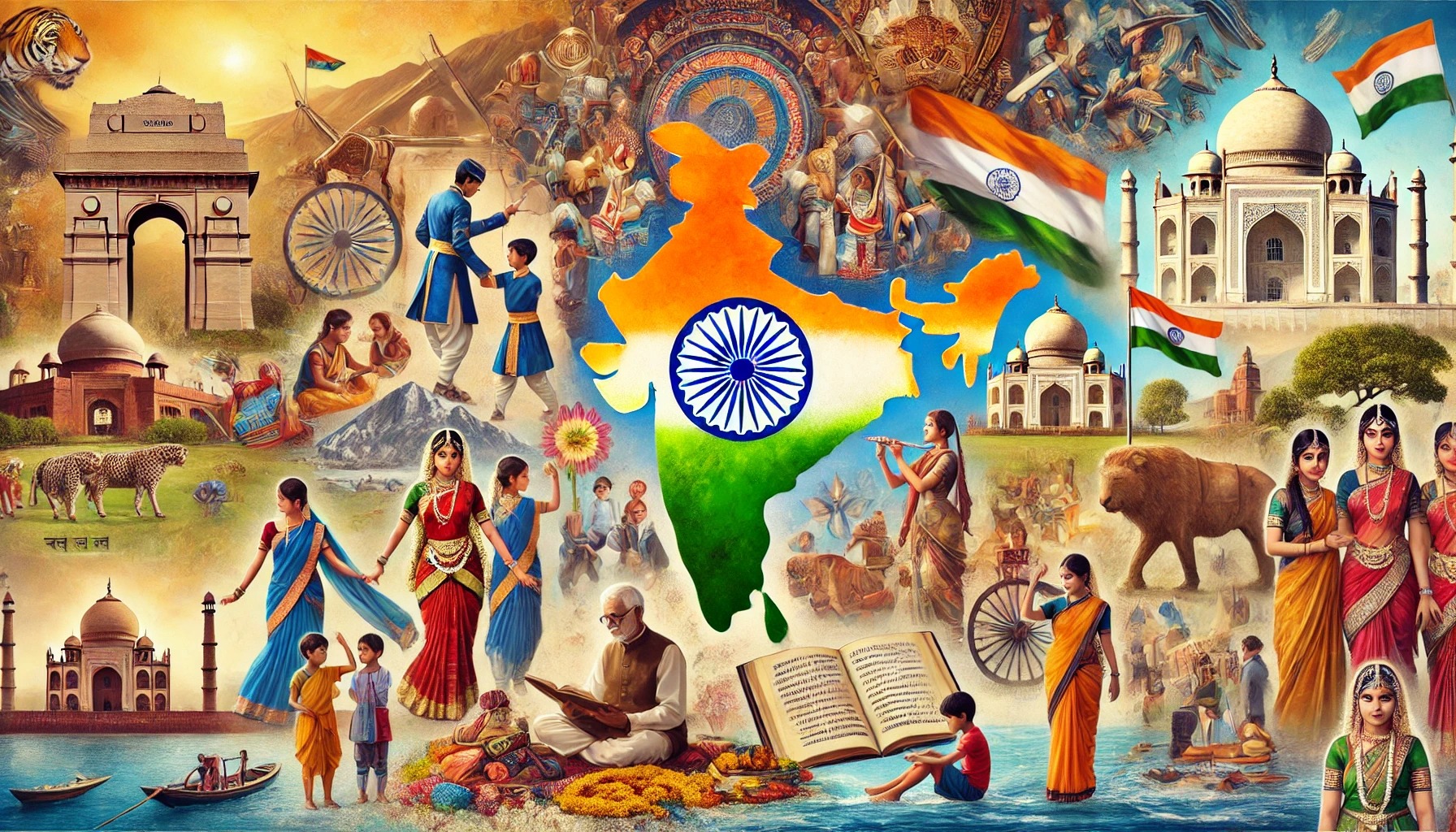
Few countries on Earth can claim the same level of variety when it comes to traditions, customs and ways of life as found across the length and breadth of the Indian subcontinent.
Stretching from the snow-covered peaks of the Himalayas in the north to the coastal plains of the south, this vast territory reflects the stories, languages, values and rituals of countless communities that have lived side by side for centuries. Every state within the country presents its own picture shaped by regional identity, religious values, and historical experience.
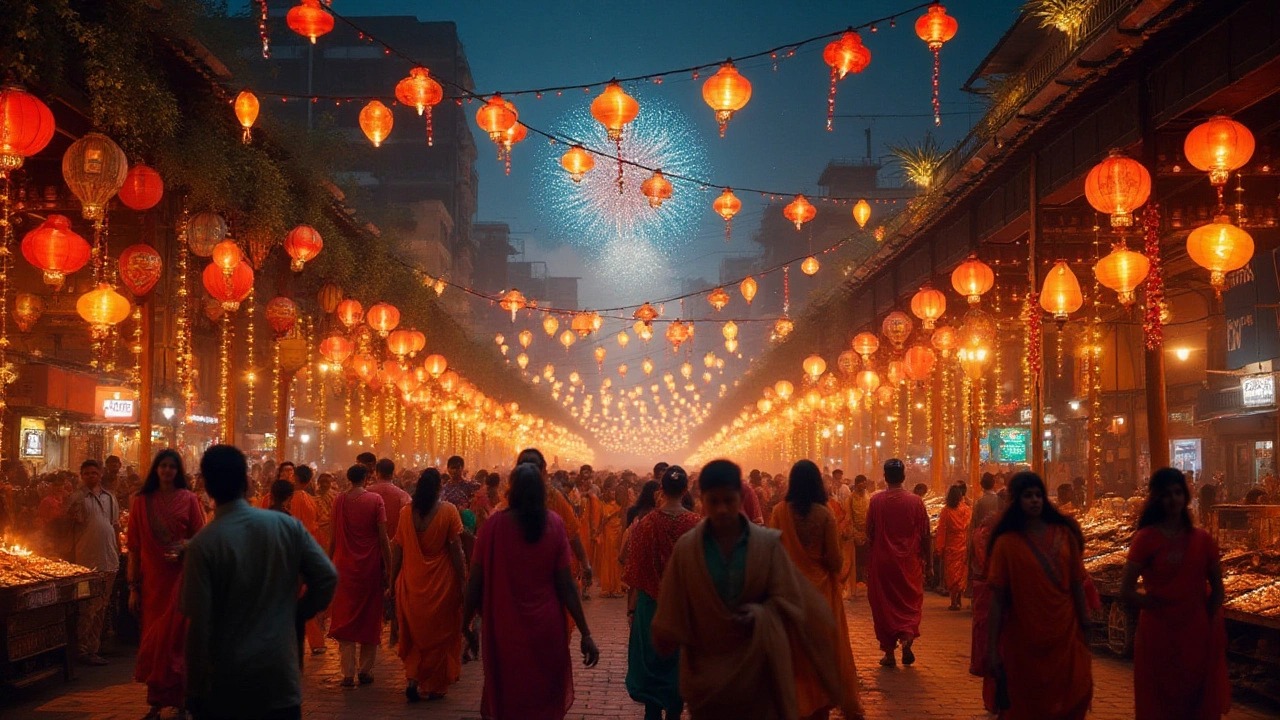
Colorful festivals light up the country with regional flair (Photo: Twitter)
It becomes easy to notice the variety when one pays attention to how daily life is carried out from one part of the country to another. Whether it is the way people dress, the festivals they celebrate, or the languages they speak at home, the cultural setting keeps changing across towns and villages.
Although there are elements of shared belief across regions, no two areas are entirely the same. Each part of the country holds its own identity that is passed down from one generation to the next with a deep sense of pride and responsibility.
Festivals and Celebrations Rooted in Tradition
Religious and cultural observances are deeply respected and widely practised throughout the country. These celebrations are often more than just spiritual events as they also bring together family, community, and neighbours.
In the northern states, for instance, Diwali is celebrated with much excitement, symbolising the triumph of light over darkness. Homes are decorated with oil lamps, sweets are shared, and firecrackers are lit to mark the occasion.
In the south, festivals like Pongal and Onam stand out for their link to agriculture and ancestral customs. These events are marked by elaborate cooking, music, dance and colourful attire.
People come together to give thanks for a good harvest and to honour age-old rituals handed down through oral history. Meanwhile, Eid is observed by Muslim families with prayers at mosques and the sharing of meals with relatives and friends.
Even among followers of the same religion, the style of celebration can change depending on the region. For example, Holi in the north is lively with colours thrown in the streets, while in the east, it might include devotional songs and processions. These differences show how the same festival can carry local meaning, shaped by years of community expression and adaptation.
Language and Communication Reflecting Cultural Identity
With over a thousand languages spoken across the country, communication plays a central role in shaping both identity and social interaction. While Hindi is widely spoken and serves as a link language in many urban areas, states often promote their own regional tongues.
Tamil, Telugu, Bengali, Marathi, Kannada and Malayalam are just a few examples of languages that are not only spoken daily but also used in literature, cinema and education.
Language is not just about speaking; it holds the values and memory of a community. Proverbs, idioms and poems passed down through generations help keep alive traditional wisdom and local philosophies.
People often take pride in being fluent in multiple languages, switching between them with ease depending on setting and audience. In cities like Mumbai or Bengaluru, it is normal for someone to move between English, a local dialect and Hindi all within the same conversation.
Even the script used to write the language differs across regions. Devanagari is used for Hindi and Sanskrit, while Bengali has its own alphabet, and scripts such as Tamil and Malayalam have distinct curves and forms. These writing systems reflect the artistic sensibility of each group and show how literacy also connects to cultural heritage.
Dress and Appearance as a Form of Expression
What people wear reflects more than just the weather or fashion trends; it signals background, belief and belonging. In Rajasthan, men often wear brightly coloured turbans and women dress in ghagras with intricate embroidery. In Punjab, the salwar kameez is common, while in Kerala, the traditional white and gold saree remains a favourite during festivals.
Clothing often has religious and ceremonial meanings. For example, Sikhs wear turbans as part of their faith, while many married Hindu women wear a red bindi and mangalsutra.
These items are worn with pride, showing connection to both faith and personal identity. Fabrics used also differ from place to place; handwoven cotton, silk, wool or jute all have regional sources and are often dyed using local methods that have been passed down for centuries.
Modern fashion has also made its mark, especially in metropolitan areas. However, many young people blend western styles with traditional outfits to create something uniquely theirs. This balance between old and new is one of the reasons why fashion across the country feels so diverse yet connected at the same time.
Food Habits Tied to Local Customs and Beliefs
The variety found in cooking styles and eating habits is vast. From the rich curries of Punjab to the coconut-based stews of Kerala, every region offers something unique based on climate, available ingredients, and religious traditions.
Vegetarianism is common in many communities, particularly among Jains and certain Hindu groups, while others include seafood, poultry or meat depending on their background.
Meals often carry symbolic meaning, especially during festive seasons. During Navratri, for instance, fasting and specific ingredients are observed as a way to cleanse both body and spirit. Meanwhile, sweets like gulab jamun, rasgulla or payasam are enjoyed during birthdays, weddings and temple visits.
Street food also plays an important role in daily life. Cities like Delhi are known for chaat, while Mumbai offers vada pav and pav bhaji. Each city has a flavour that reflects its people’s rhythm and preferences. Sharing food remains a key part of hospitality, whether at home or during public functions.
Family Life and Social Values That Shape Daily Routine
Family is at the heart of daily existence. Households often include multiple generations living under one roof, where elders play an important role in decision-making and child-rearing. Respect for parents and grandparents is encouraged from a young age, and certain responsibilities are clearly shared among family members.
While arranged marriages are still common in many areas, modern couples increasingly choose their partners. Weddings are often large celebrations involving extended family, community elders and numerous customs that vary by caste, religion or location. From pre-wedding rituals to post-wedding receptions, these events often last for days and are rich with music, food and colourful decorations.
Hospitality is regarded as an important social duty. Guests are treated with care, offered meals and even given gifts during their visit. This sense of warm welcome is deeply rooted in traditional teachings and remains evident across urban and rural households.
Religious Diversity and Shared Coexistence
A wide mix of religious beliefs shapes both public and private life. Hinduism, Islam, Christianity, Sikhism, Buddhism and Jainism all have long histories in the country, each contributing sacred texts, rituals, places of worship and community traditions. What stands out is the way these different faiths operate in close proximity with mutual respect and shared spaces.
Temples, mosques, churches and gurudwaras can often be found near one another in towns and cities. People might participate in the festivals of their neighbours even if they follow a different religion. This practice of sharing joy and helping one another during difficult times has helped communities remain strong and united through changing circumstances.
Rituals such as lighting lamps, reciting prayers or offering alms remain central to religious life. Pilgrimages also play an important part, with people travelling to sacred places like Varanasi, Amritsar or Bodh Gaya as a form of devotion and spiritual growth.
Cultural Preservation Through Music, Art and Dance
Traditional art forms are still actively practised and passed on through performance and teaching. Classical dance forms such as Bharatanatyam, Kathak and Odissi continue to be taught in academies and performed on stage. These dances are based on stories from ancient texts and require years of training.
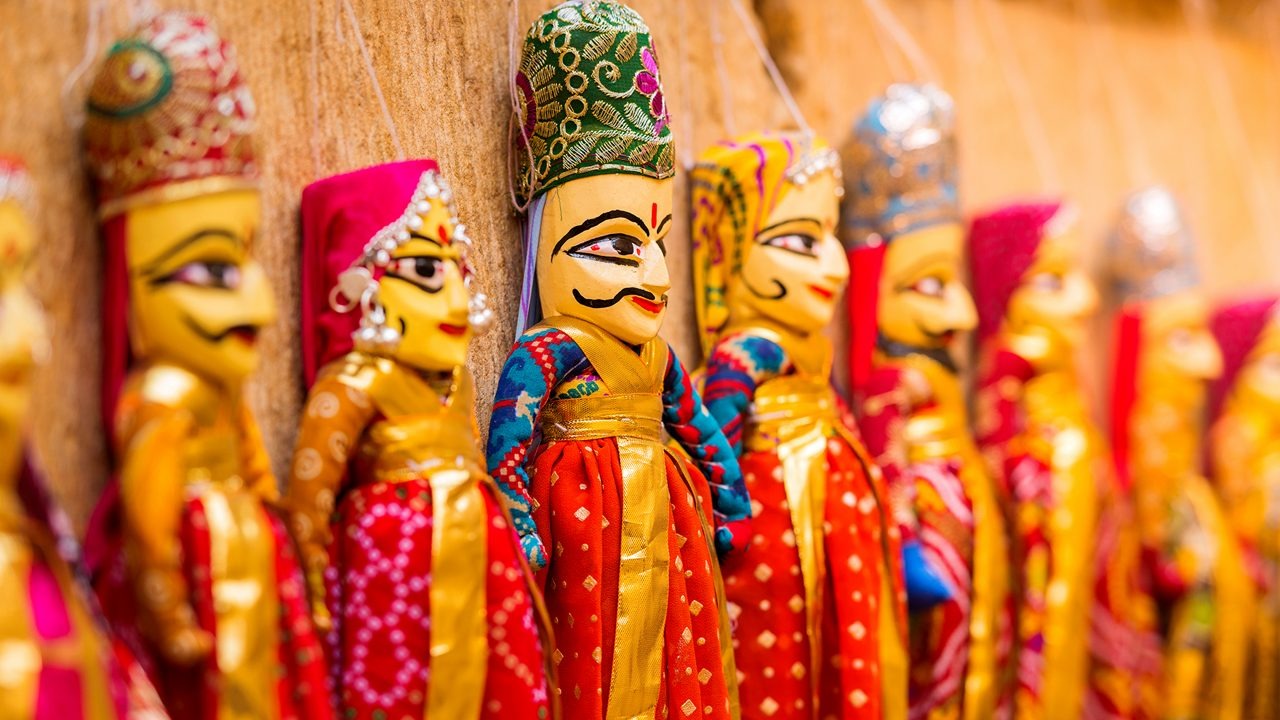
From mountaintop prayers to coastal feasts culture runs deep (Photo: Alamy)
Folk dances like Bhangra in Punjab or Garba in Gujarat are part of seasonal festivals and community events. They are less formal than classical styles but still demand rhythm, coordination and knowledge of steps handed down over time. Music too shows great variety, from Hindustani classical compositions to Carnatic melodies, and regional folk songs that accompany weddings or harvest.
Painting styles like Madhubani, Warli and Tanjore are still practised using traditional methods. Artisans also continue to work with metal, clay, wood and fabric, producing handmade items that reflect local skill and creativity. These forms of expression connect young generations to their roots while still allowing room for innovation.
Education and Modern Influences
Formal education has introduced children and youth to science, global literature, and modern technologies. However, local history, art and language are still present in school curricula. Museums, cultural centres and academic projects continue to collect and preserve old manuscripts, songs, photographs and objects.
Television, film and digital media have also helped spread local culture both within and beyond the country’s borders. Bollywood films, for example, often include scenes of traditional ceremonies, family life and rural customs. This mixture of entertainment and culture allows both rural and urban viewers to see different ways of life reflected on screen.
While young people may adopt global trends, many also return to their traditions through music, dress or family gatherings. Cultural continuity remains possible even with changing lifestyles, and people often find ways to honour the past while adapting to the present.
Through shared practices, inherited customs and regional pride, the variety of traditions across the country reveals a deeply layered story. Each state, language, dish, ritual and dress form a part of something that continues to grow and evolve through time.