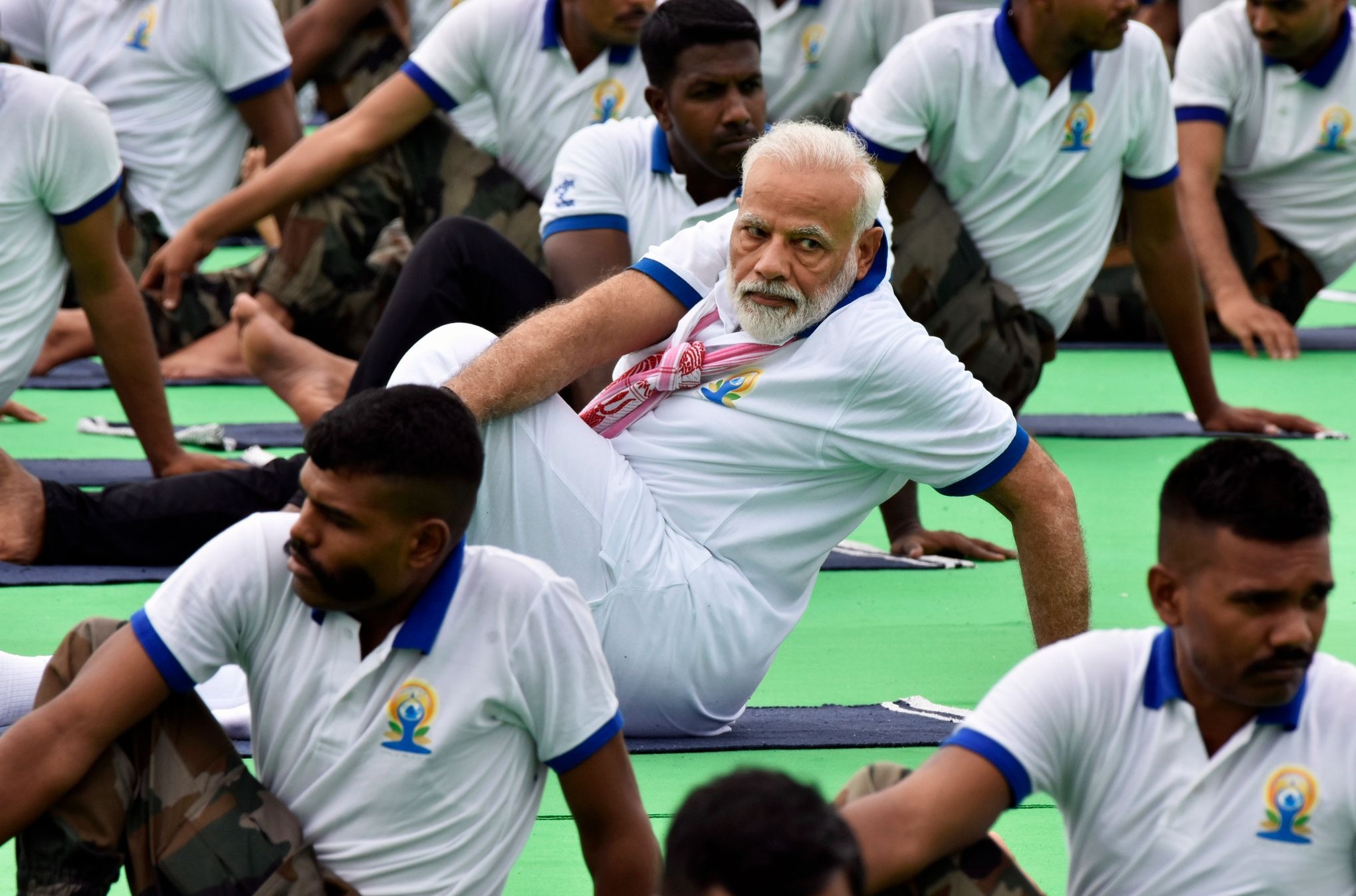
Stretching far beyond spiritual practice, yoga has become a global activity embraced by people from different backgrounds. Rooted in ancient traditions that go back thousands of years, it has transformed into a major part of modern wellness routines.
From quiet studios in New York to vibrant parks in Lagos, yoga is being practised in countless ways that reflect its wide reach and popularity. What began as a deeply personal form of discipline has grown into an international movement that cuts across age groups, professions, and belief systems.
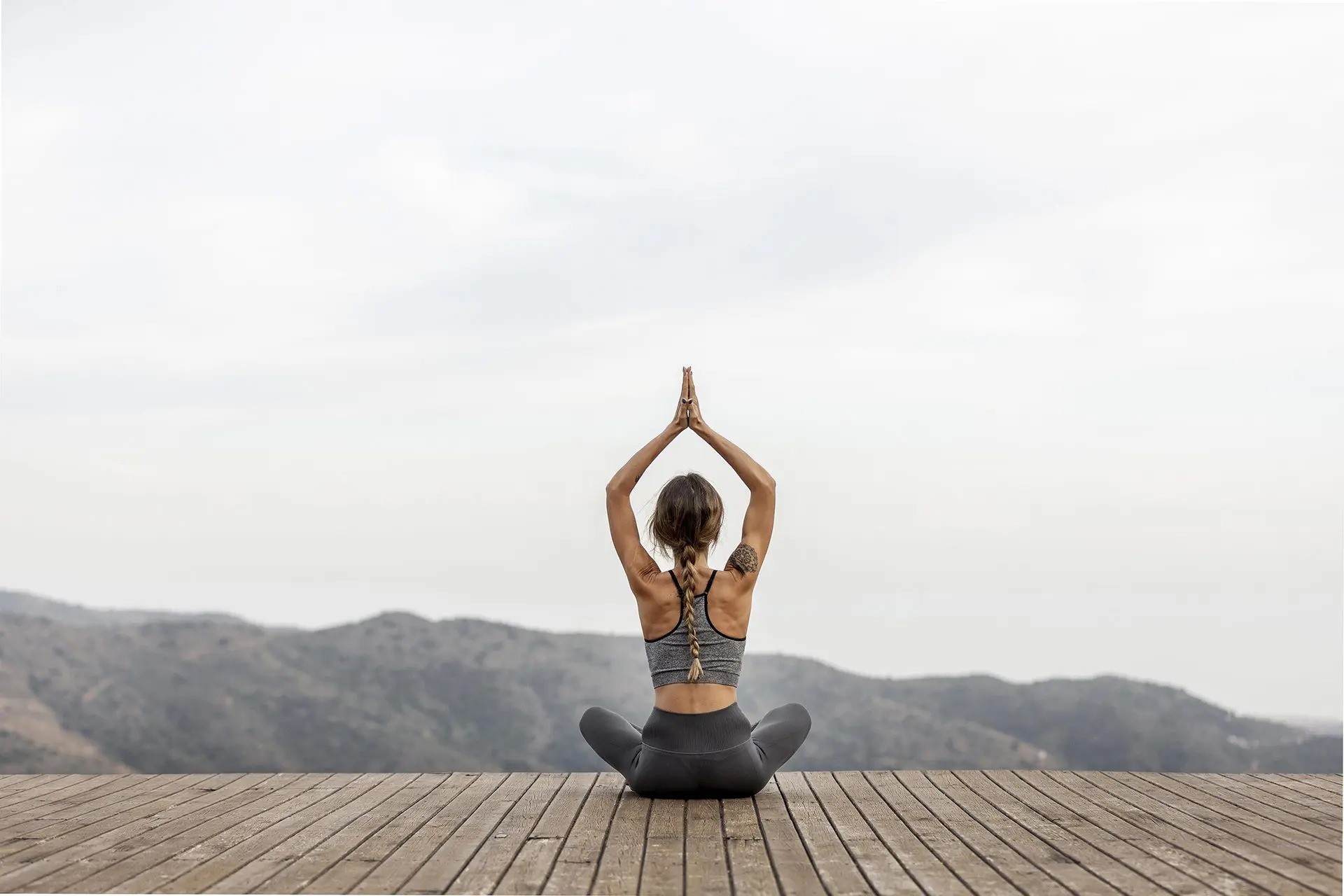
Flowing from ancient wisdom to modern mats around the world (Photo: Twitter)
This movement has developed not only because of the physical benefits yoga provides but also due to the mental calm it brings to practitioners. It offers an avenue for self-reflection, healing, and clarity of thought in a world that often feels overwhelming.
Over time, this ancient discipline has adjusted to meet the needs of people in fast-paced societies, without losing its original foundation. With each adaptation, it strengthens its place in modern lifestyles.
Many individuals now turn to yoga for improved flexibility, reduced stress, and better breathing habits. Schools, hospitals, and corporate offices around the world now include yoga sessions in their daily or weekly schedules.
Even elite athletes have adopted it as part of their training routines, knowing how it helps prevent injury and increase focus. Yoga’s growth has touched nearly every corner of the world in both subtle and clear ways.
Traditional Roots and Philosophical Background
The earliest recordings of yoga practice trace back several centuries through oral teachings and sacred texts. These teachings go beyond just the movements we see today.
Originally, yoga involved meditation, breath control, ethical principles, and focused concentration. It was meant to shape character and build discipline over time. Early practitioners treated it as a way of life, not just something done for fitness.
Through the ancient scriptures, yoga introduced concepts like self-awareness and union of body and mind. This approach is still present in many advanced forms today, even if modern adaptations have simplified it.
The original intention was never just physical. It aimed to create harmony in every aspect of one’s existence. That idea still guides many who practise today, especially those who seek more than physical results.
As time passed, different schools of yoga emerged. Each one focused on a specific element. While some leaned towards physical mastery, others highlighted internal peace. This variety gave rise to several interpretations, making yoga flexible enough to fit into different cultures without losing its grounding principles.
Adoption in Western Societies
The expansion of yoga into Western societies began slowly during the early 20th century. As people in Europe and America became more curious about Eastern practices, yoga started gaining attention.
Several spiritual teachers from the East introduced their methods to foreign audiences. Initially, their teachings were welcomed by only a small group of intellectuals and wellness seekers.
But with time, interest grew, especially during the counterculture movements of the 1960s and 1970s. Many individuals began searching for spiritual direction that stood outside traditional religion.
Yoga presented a path that combined peace, physical health, and deep self-study. Celebrities and public figures who spoke about their experiences with yoga helped it gain popularity even faster.
Studios began opening in large cities, and classes became common in gyms and wellness centres. Yoga was gradually seen not as a mysterious Eastern idea but as an effective way to manage stress and improve the body. Over the years, it grew from a niche practice into a billion-dollar industry.
Influence on Healthcare and Mental Wellness
Doctors and psychologists in different parts of the world have studied the effects of yoga on mental health, often noting how it helps reduce anxiety and manage depression.
Medical institutions now recommend yoga as a complementary tool for patients recovering from trauma, chronic pain, or emotional distress. Hospitals in many countries now host yoga sessions as part of recovery programs.
Yoga’s breathing exercises and meditative techniques offer tools for calming the mind, improving sleep, and reducing high blood pressure. People dealing with daily work pressure or emotional stress use these techniques to regain balance and think more clearly. It allows them to respond calmly in difficult situations rather than react emotionally.
Professionals who face mental exhaustion from constant screen time and work overload find relief in the simple structure of a yoga session. Stretching, stillness, and controlled breathing help release tension from both the body and the mind. These sessions do not require expensive equipment or a large amount of time, making them easy to include in daily life.
Commercial Growth and Industry Expansion
As yoga gained more acceptance, its commercial growth followed. Clothes, accessories, mats, and apps have turned yoga into a thriving industry. Global sports brands produce entire product lines for yoga enthusiasts. At the same time, thousands of teachers earn their income by offering online and in-person classes, sometimes reaching students across continents.
Yoga retreats are now common travel packages offered in countries like Thailand, Costa Rica, and Mexico. These programs promise full-body relaxation and reset experiences, often led by well-known instructors. Some packages even combine yoga with local cultural experiences, showing how adaptable the practice has become.
Tech companies have also played a role by offering virtual sessions that connect users with trainers worldwide. Yoga apps allow people to practise in their living rooms with guidance from professionals they may never meet in person. Through technology, yoga has become more accessible than ever, fitting smoothly into tight schedules and urban lifestyles.
Social Media and Celebrity Impact
Social media platforms have given yoga an even wider audience. Millions of posts show poses, workout sequences, and meditative advice. Influencers and celebrities use their platforms to promote yoga as part of their daily routine. These online displays encourage followers to start practising, often by showing visible physical results or personal transformations.
This constant sharing has created a community spirit, where people from different locations feel part of a shared goal. Hashtags and challenges create connections between beginners and seasoned practitioners. It helps break the feeling of isolation that some people face, especially when starting new habits.
The celebrity factor also makes yoga look desirable. Famous people sharing their practice brings more visibility and influence than traditional advertising. Whether it’s an actor preparing for a role or a model sharing daily stretches, the message is clear: yoga supports healthy living and emotional calm.
Education and Professional Training
The influence of yoga has reached academic settings as well. Universities and colleges now offer courses on its philosophy, movement patterns, and therapeutic uses. These programs train new instructors who are qualified to teach at professional levels. As these individuals graduate and begin to teach, they bring yoga into schools, sports centres, and rehabilitation facilities.
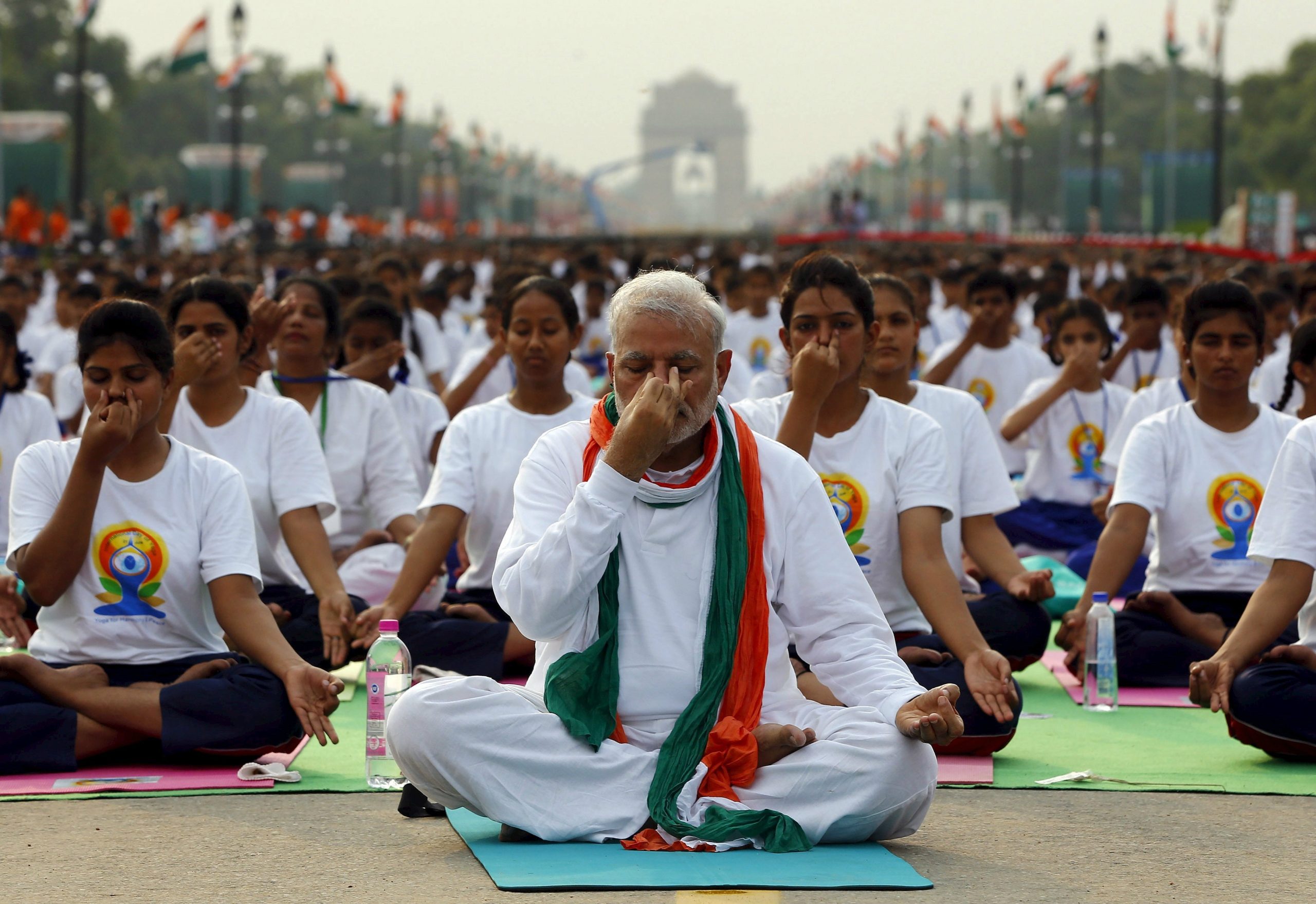
From dusty scrolls to city studios the journey continues (Photo: Alamy)
Children in classrooms are learning breathing techniques to manage their emotions. Students facing examination stress are encouraged to practise yoga to help improve focus and calmness. These methods, once seen as alternative, are now welcomed by educational authorities for their long-term impact on youth development.
Professional training standards have also become more formal. Certification programs ensure that instructors understand the roots of the practice and how to deliver it responsibly. This structure builds trust among practitioners and maintains quality even as the global demand continues to grow.
Cultural Respect and Misrepresentation
While yoga’s global acceptance has created many benefits, it has also sparked conversations about how it is presented. Some critics argue that stripping it of its cultural and spiritual background reduces its depth. Others raise concerns that commercial packaging of yoga ignores the values that shaped it from the start.
There are calls for better education on where yoga came from and what it was meant to offer beyond the physical exercises. Many people who have studied it deeply believe that the practice should be handled with respect and full awareness. Understanding its roots helps protect its message and avoids shallow interpretations.
At the same time, there are positive efforts by teachers and organisations to educate practitioners about the full picture. Through workshops, reading materials, and heritage discussions, many yoga instructors now include background teachings in their sessions, hoping to preserve the richness of the original ideas.
Global Events and Recognition
International recognition of yoga reached a major point when the United Nations declared June 21 as the International Day of Yoga. Every year since then, millions gather to practise on that day. Public parks, stadiums, school halls, and digital platforms host sessions open to everyone. This yearly celebration has given yoga a central place in global culture.
Governments and health organisations in several countries use the occasion to promote fitness and peace. Large events hosted on that day highlight both traditional methods and modern interpretations. It allows communities to come together under a shared activity that promotes balance and good health.
The reach of yoga now extends across all regions. Whether in remote villages or major cities, people have found value in the practice. It has adapted to different languages, customs, and personal needs, offering something meaningful to those who embrace it. While some approach it as a workout, others see it as a spiritual guide, and many combine both.
Yoga’s ability to connect with people from different walks of life has given it long-term strength. Through consistent practice, meaningful instruction, and cultural sensitivity, it continues to spread across borders and social groups. Each person who adopts it adds to the growing chain of practitioners around the world, reinforcing yoga’s place in modern living.