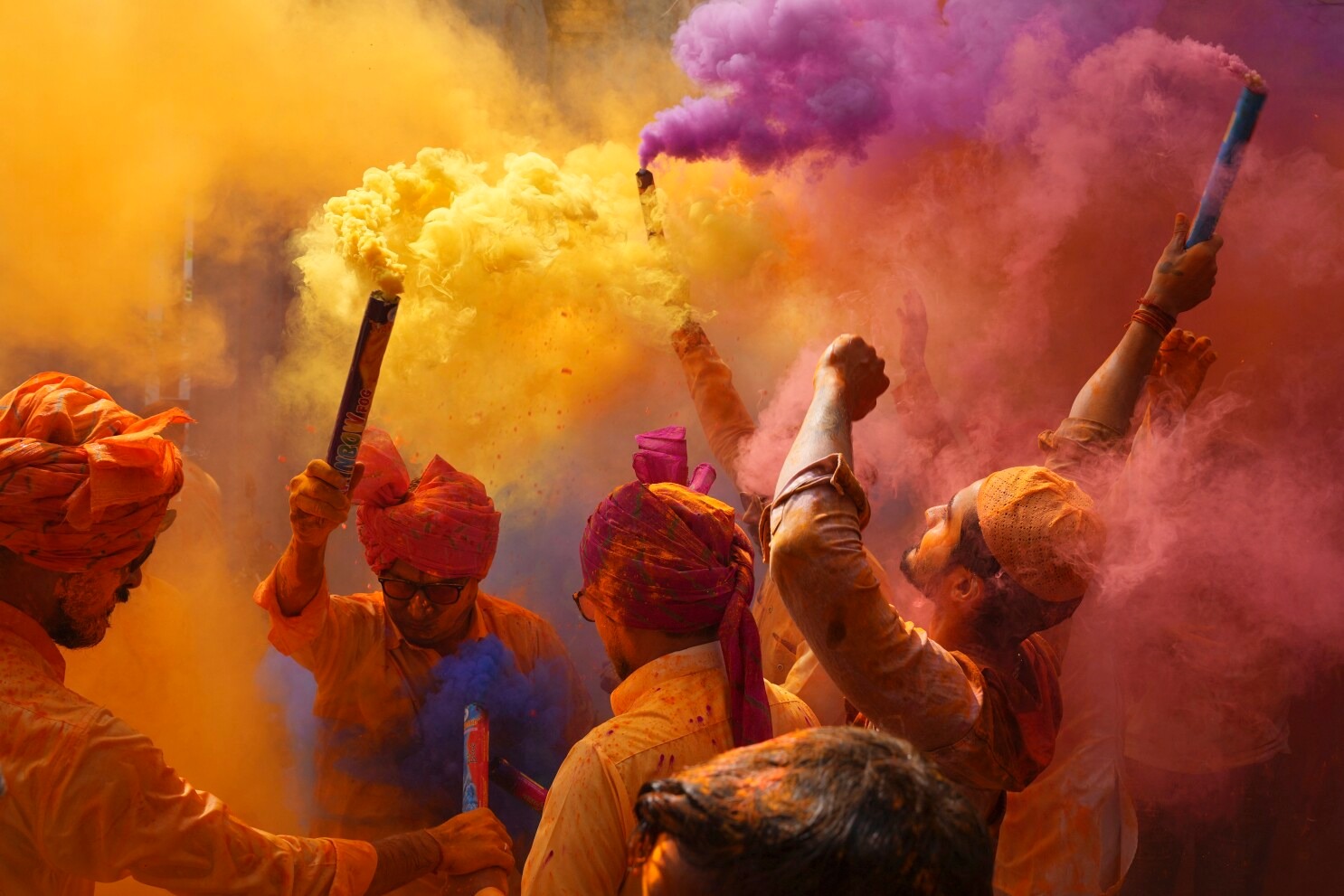
Bright colours, joyful music, and the aroma of freshly cooked meals often fill the air when different cultural events take place across Indian communities. These festivals, marked by rituals, traditions, and collective gatherings, go far beyond personal enjoyment.
They have always carried the strength to bring people together and build a sense of belonging. Every celebration, whether religious or seasonal, acts like a bridge connecting generations, beliefs, and even those living away from home.
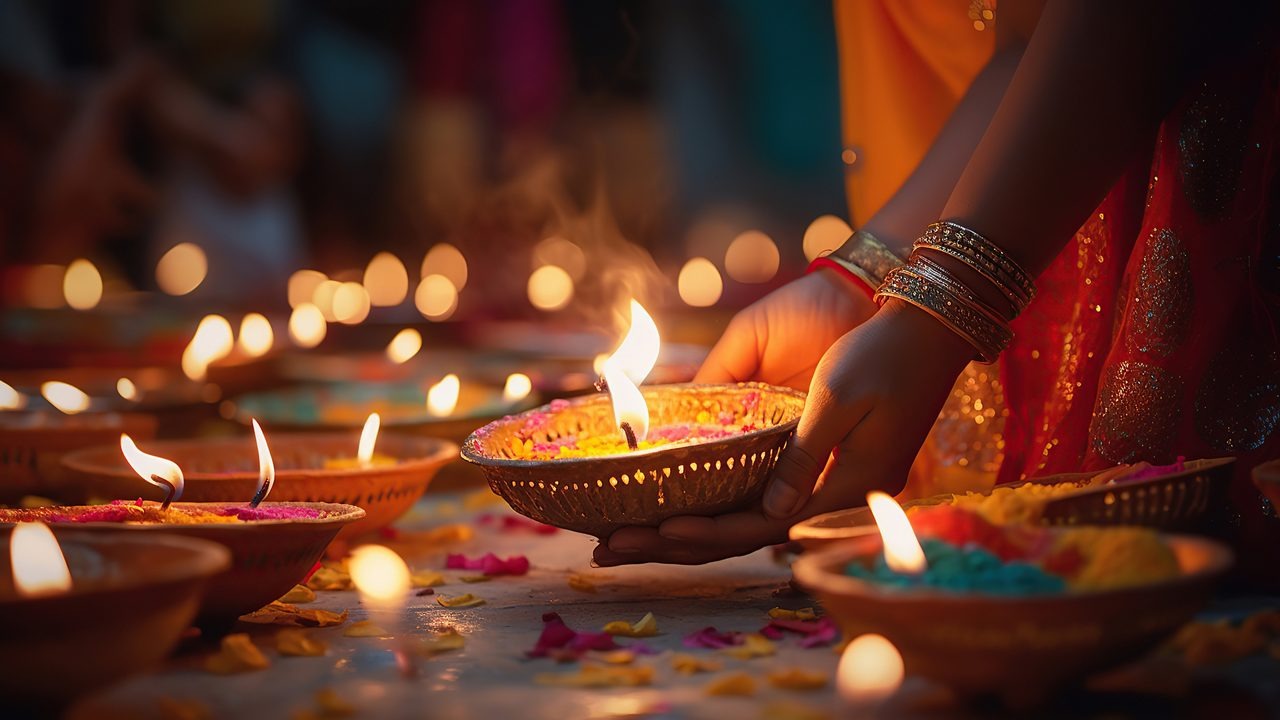
The joy of tradition echoing through music and shared meals (Photo: Getty Images)
From bustling city centres to quiet rural communities, these occasions remain deeply rooted in values that encourage people to share meals, exchange greetings, and perform customs that reinforce identity and unity.
Young children learn cultural practices from elders, while neighbours become closer through the shared excitement that comes with each holiday. At a time when modern lifestyles can easily lead to individual isolation, these festivals stand as reliable moments of bonding.
They serve as regular reminders of collective values, and they continue to help preserve languages, traditional attire, and songs that might otherwise fade. The preparation process, which often involves many hands, also creates lasting memories and friendships. Each event is much more than just a date on the calendar. It becomes a collective moment of expression, pride, and unity for families and communities.
Creating Stronger Bonds Within Families
One of the most visible effects of Indian festivals is how they make family relationships stronger. As families prepare together for these events, whether it involves decorating the home or preparing traditional dishes, people are encouraged to spend quality time together. This leads to more shared memories and deeper connections between parents, children, and even extended family members.
During Diwali, for instance, it is common for relatives who live in different cities or countries to return home, sometimes taking long journeys, just to be present for the festival.
These reunions help to remind individuals of their roots. Similarly, during Eid or Raksha Bandhan, rituals promote forgiveness, kindness, and appreciation within families. Children are taught the meaning behind each ritual, and this learning continues to shape their values as they grow older.
This kind of togetherness does not happen frequently in many households, especially with the demands of work and modern life. So when these festivals come around, they create an opportunity for people to pause and make time for their loved ones. The sense of togetherness felt during such celebrations tends to last far longer than the event itself.
Encouraging Unity Among Neighbours
Festivals also play a strong role in creating harmony among people who share a neighbourhood. In apartment complexes, streets, or local communities, residents come together to decorate spaces, set up lights, or organise small events. These group efforts often involve people from different faiths or backgrounds working as one team.
For example, during Holi, neighbours often gather in open areas to celebrate with colours and music. It is common to see people exchanging snacks, greeting each other with warmth, and even resolving small misunderstandings during these festive moments.
Ganesh Chaturthi also brings people together to create and display statues of Lord Ganesha, with many joining hands to handle the responsibilities of rituals, music, and food.
These moments allow for the exchange of ideas and customs, which increases mutual respect. Through repeated participation, individuals begin to value community life more and treat others with kindness and cooperation.
This spirit of unity has been observed even in housing colonies outside India, where people celebrate festivals together to maintain cultural connection and also create friendly relationships in foreign surroundings.
Promoting Cultural Education Among the Youth
Festivals serve as an important way to pass down cultural knowledge to the younger generation. With each celebration, children are introduced to age-old stories, traditional music, dances, and attire. Many of these elements are woven into fun activities that keep children interested while teaching them about their heritage.
During Navratri, young boys and girls often dress in ethnic clothes and participate in dances like Garba and Dandiya. These events are often accompanied by elders explaining the stories behind the celebration.
During Pongal or Makar Sankranti, children learn how to make decorations from natural materials and take part in cooking rituals that honour nature and agriculture.
These experiences go beyond what is taught in schools, as they include emotional connections and real-life participation. Children who take part in such activities grow up with a stronger sense of who they are.
They become more confident in expressing their identity and also more respectful of the traditions that shaped their upbringing. Through this process, culture becomes something they carry forward proudly rather than something that fades over time.
Strengthening Religious and Social Connections
Festivals are deeply tied to religious beliefs and customs, and they also offer opportunities for people to grow spiritually while bonding with others. Whether it is through collective prayers, processions, or rituals, the act of coming together in worship often brings a deep feeling of unity. Religious leaders use these moments to guide people towards better living, forgiveness, and charity.
During Ramadan, communal prayers and the breaking of fast known as Iftar bring people together to reflect and share. Christmas celebrations held in churches include songs, drama performances, and sermons that bring together both regular worshippers and those who may not attend frequently. These events help foster a feeling of belonging and connection with something larger than oneself.
They also promote social responsibility. For example, during festivals, it is common to find food donation drives, clothing distribution, and financial support given to those in need.
These acts of kindness increase awareness and make people more willing to support those around them. Such positive habits often continue long after the celebration ends, improving social life in general.
Boosting Local Economy and Traditional Crafts
Another important benefit that comes with festivals is the positive impact on local businesses. Artisans, farmers, tailors, and shopkeepers all find these occasions as opportunities to increase their income. Decorations, clothing, sweets, and religious items are bought in large quantities, supporting a wide network of sellers.
During Durga Puja or Onam, for instance, local flower sellers, jewellery makers, and textile workers receive more customers. People often prefer buying handmade items that reflect cultural style, which helps to preserve traditional crafts. This is also a period when street vendors, transport operators, and even entertainers earn extra money through their services.
Such economic activity benefits entire communities. Young people take part in planning and managing stalls or performances, gaining business and leadership experience.
At the same time, artisans feel appreciated, and their work receives attention that it might not get during regular times of the year. Through these interactions, local culture is preserved and celebrated, giving strength to the community’s financial and cultural roots.
Building Friendships Across Belief Systems
Although many festivals have religious roots, they are often celebrated in ways that welcome people of different faiths. Invitations to join meals, take part in dances, or visit decorated homes are extended without discrimination. These welcoming gestures help build understanding and friendships between groups that may otherwise have little connection.
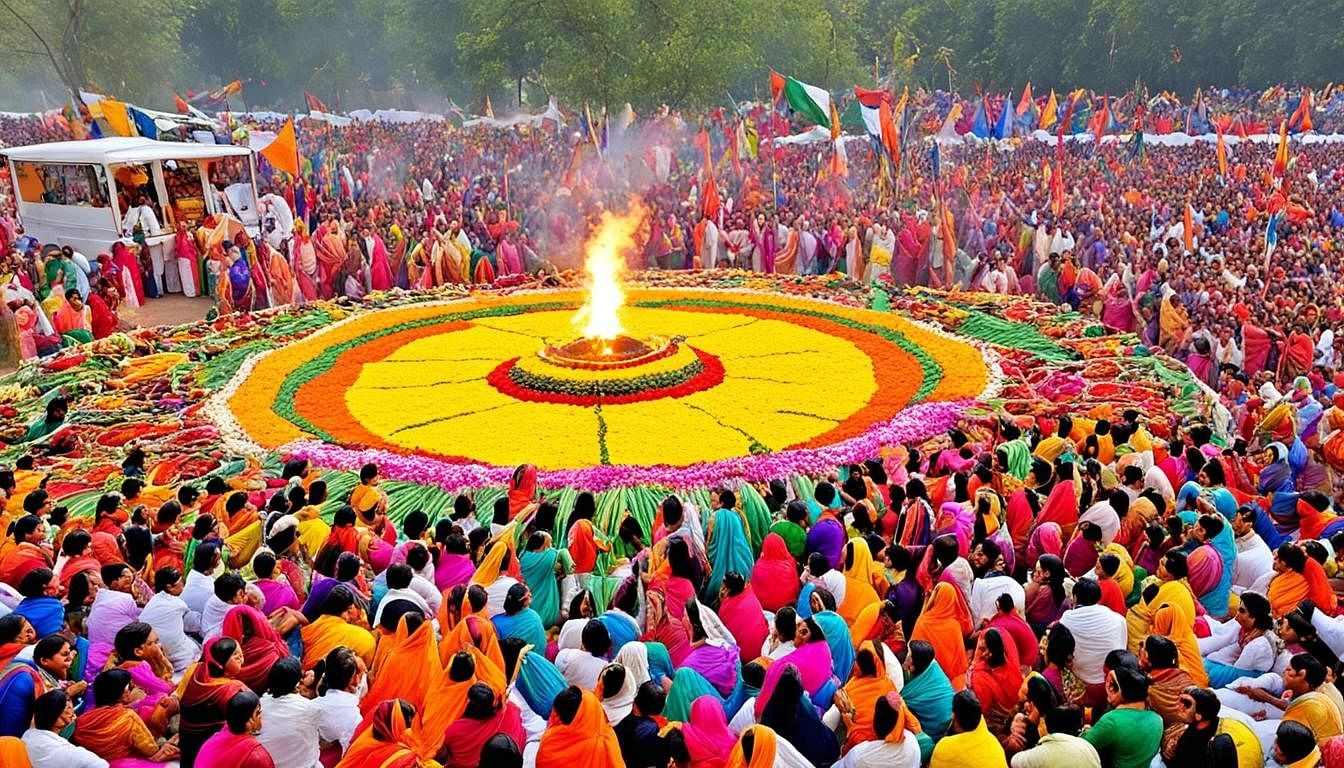
Generations coming together with every festive ritual (Photo: Twitter)
For instance, during Gurpurab, the Sikh festival honouring the birth of Guru Nanak, free meals called Langar are served to everyone, regardless of religion or background.
Similarly, many Hindus, Christians, and Muslims attend each other’s festivals, taking part in cultural aspects while learning new things. These shared moments can break down fear or wrong impressions people might have about other religions.
Friendships formed in such ways tend to be strong, since they are based on shared memories and experiences. This helps in creating peaceful communities where diversity is respected. Children who grow up in such environments often become adults who accept differences with open minds.
Strengthening Ties Across the Diaspora
Even for people living outside their native country, festivals serve as a way to stay connected to their roots. Indian communities in countries like the United States, Canada, and the United Kingdom often organise large-scale celebrations that bring together families and individuals from different regions and states. These gatherings help reduce homesickness and offer support networks in foreign lands.
During such events, food stalls, stage performances, and traditional competitions become spaces where people reconnect with their culture. Older members of the community take pride in sharing customs, while younger members feel more connected to their background. These experiences also give them a sense of identity that they carry into their schools, workplaces, and social circles.
Such celebrations promote unity even in foreign environments. They allow people to maintain bonds with fellow Indians while also offering opportunities for others to learn and appreciate Indian culture. Through dance performances, art exhibitions, and storytelling, these communities manage to keep traditions alive even far away from home.
Encouraging Reflection and Renewal
Festivals often come with a pause from daily life, giving people the chance to reflect on their actions and make better choices for the future. Whether it is lighting a lamp, taking part in prayer, or observing a fast, the rituals that go with these celebrations encourage people to cleanse both heart and mind.
This practice is not only spiritual but also emotional. People are reminded to forgive, to help others, and to focus on what truly matters. Such moments, when repeated year after year, lead to better mental health and more stable communities. People who feel emotionally connected to a community tend to be more generous, patient, and responsible.
These celebrations become a time of reset, where people aim to improve themselves and their relationships. As families and neighbours look forward to the next festival, the positive effects of the last one continue to shape daily interactions and decisions.
Festivals carry a strong ability to bring people closer and keep cultural practices alive. They offer repeated chances for individuals and groups to work together, learn from one another, and support both emotional and practical growth. From the smallest village to the largest city abroad, these occasions continue to stand as valuable markers of connection, memory, and shared identity.