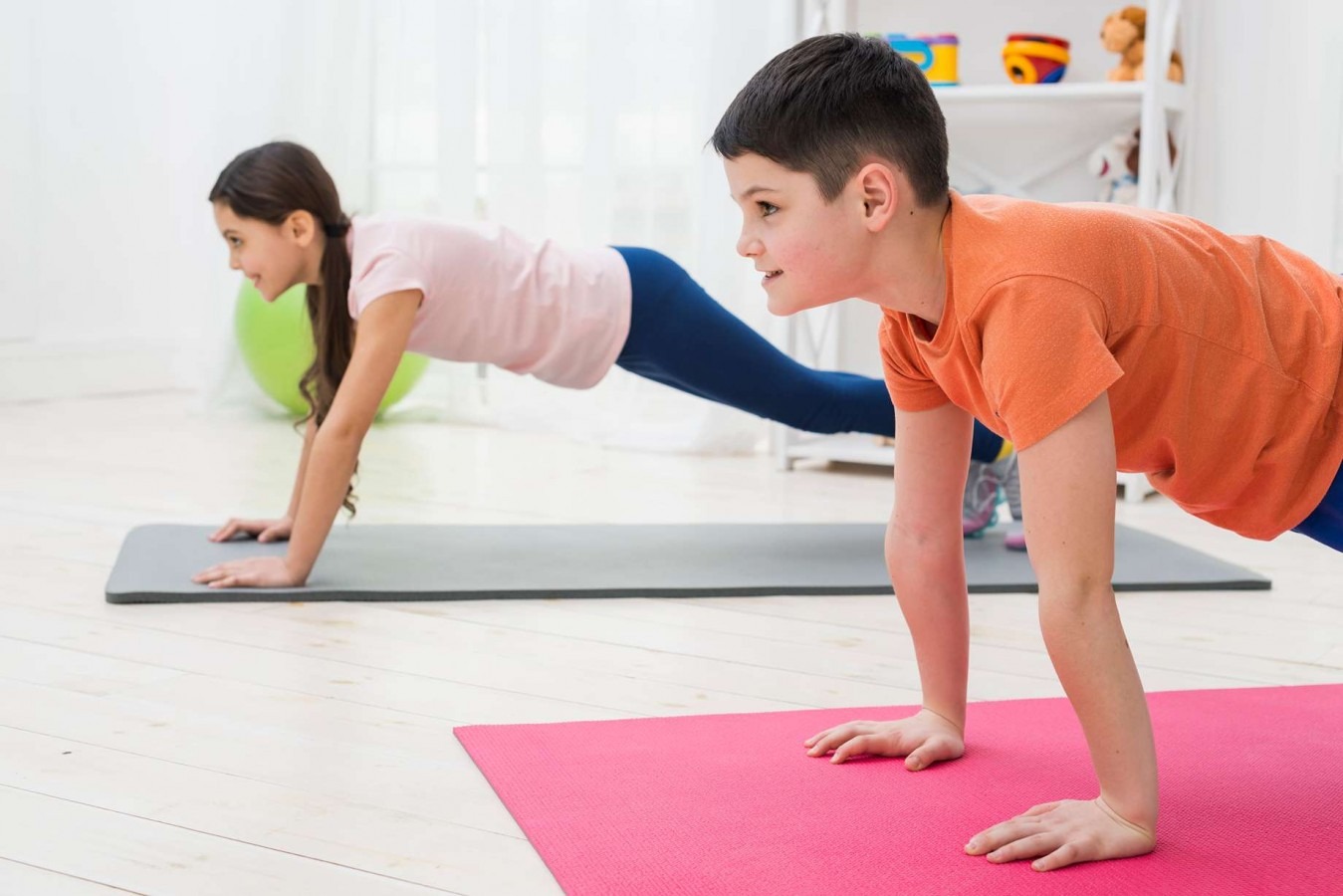
Encouraging physical fitness has become a central concern for many countries that aim to boost the health and productivity of their citizens. A country with a growing youth population and a long-standing tradition in physical disciplines is now placing more emphasis on using sports as a strong tool to improve public health.
The government and private organisations are now embracing sporting activities not just for competition, but as a practical approach to maintaining healthy lifestyles across all age groups.
Programmes that combine exercise with structured sporting activity are gaining traction. This growing movement connects wellness with national pride, where achievements in sports double as encouragement for more citizens to take part in physical activity.
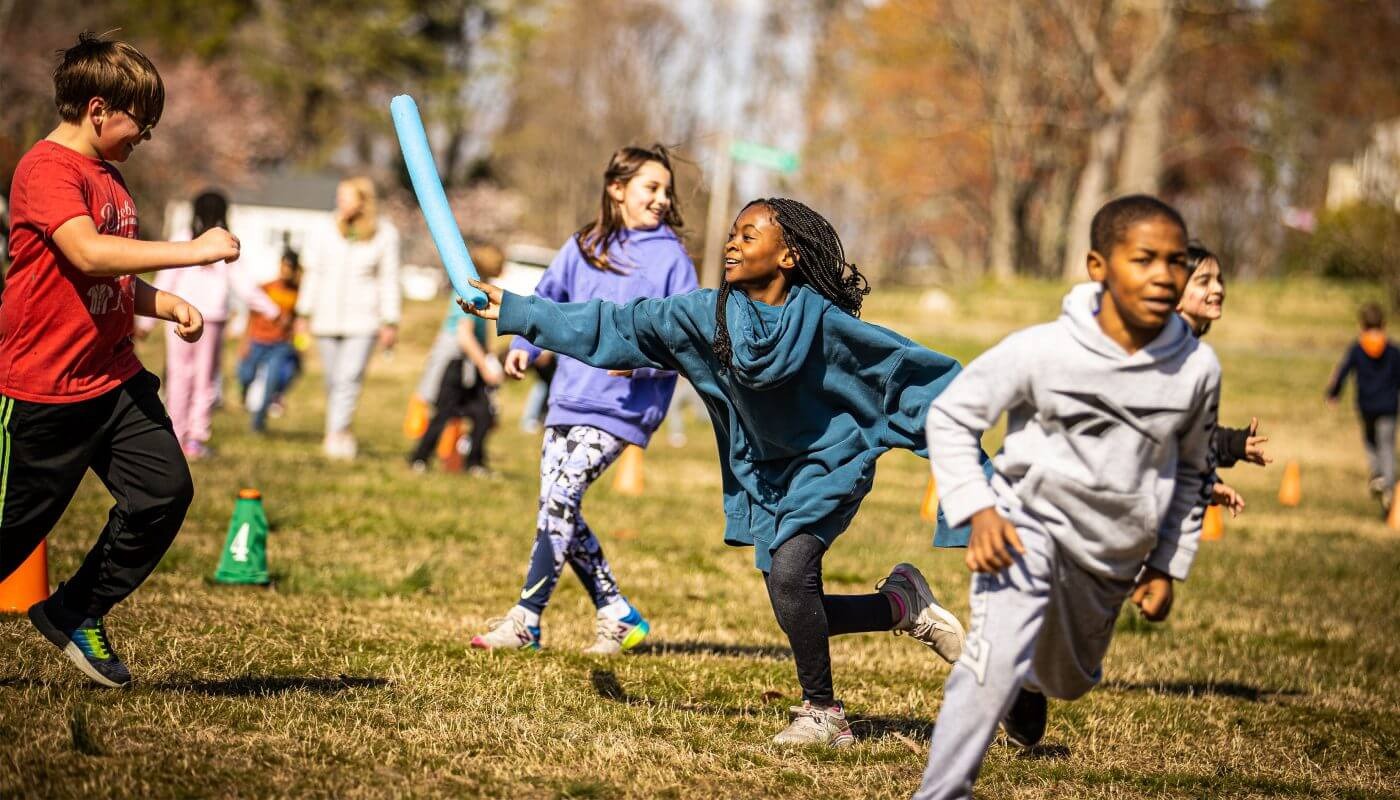
Community members gather for a weekend jog at a newly opened city park (Photo: Shutterstock)
Youth development, infrastructure expansion, and health awareness campaigns have all started to take deeper root as part of this new direction. Sports is now being presented as a means to drive healthier choices, build discipline, and foster long-term wellbeing among citizens.
Health campaigns are now being linked directly to sporting efforts. The presence of national athletes in fitness outreach events also helps drive participation. Fitness is no longer treated as a personal journey only, but as something with collective value for society.
Government Policies and Public Health Initiatives
Authorities have adopted strategic measures to link physical education with long-term healthcare goals. One major effort has been the introduction of fitness policies in schools, where physical activity has moved from an optional extra to a structured part of the academic schedule. Schools are now expected to carry out regular sports sessions and introduce various physical challenges to keep students engaged.
A particular initiative focuses on youth fitness tests that track progress in physical strength and agility. This gives students an incentive to remain active while providing useful data to schools on where improvements can be made.
These tests are used not for punishment but to guide wellness practices from a young age. It has also become common for schools to participate in inter-school sports events, which increase awareness of fitness while building teamwork and competition skills.
The push for wellness has also been introduced in workplaces. Employee health programmes now include morning stretches, weekend sport meetups, and access to fitness advice. Some employers even provide incentives for staff to meet physical goals, reflecting how seriously health is being treated.
Investment in Sports Infrastructure
To support the growing interest in physical activity, there has been heavy investment in building and upgrading sports facilities. From local stadiums to multipurpose sports complexes, authorities and private bodies are putting resources into creating accessible locations where people of different age groups and skill levels can take part in regular sporting activity.
Urban areas are now dotted with open gyms and community parks designed to encourage movement. Jogging paths, cycling lanes, and exercise stations are being installed in public spaces. This approach removes financial barriers to entry and gives people the chance to stay active without joining private clubs.
In addition to building new facilities, older venues are being upgraded to meet modern standards. These improvements are important for safety and accessibility, ensuring that young people, senior citizens, and individuals with special needs are not left out. The goal is to provide more people with spaces where they can enjoy physical activity with ease.
The Role of Sports Leagues and Events
Local leagues and sporting events have become more than entertainment. They are now used as platforms to spread awareness about fitness. Organisers frequently include fitness challenges, health checkups, and live demonstrations to encourage more people to think actively about their health.
Major national tournaments often include fitness zones for attendees, where people can learn basic stretches, participate in mini games, and consult fitness coaches. These interactions add value beyond the game itself and help create a culture where activity is encouraged even among those who are not professional athletes.
There has also been a rise in amateur participation, with many people joining recreational leagues in their communities. These leagues focus on enjoyment and movement rather than competition.
Adults who may not have played sports since school are now returning to the field, treating the activity as a chance to improve their health while bonding with others.
Fitness Awareness Through Digital Platforms
Technology has been a useful partner in this movement. Mobile applications now offer personalised workout routines, guided fitness sessions, and nutrition tips tailored to users’ needs. These apps often connect users with local sports events or encourage them to share their progress with others, creating a support network that motivates users to stay active.
Social media campaigns have also played a big role. Influencers and athletes post videos that demonstrate simple exercises, healthy food preparation, and tips for consistent physical care. These videos are helping demystify the idea of fitness and make it more approachable for ordinary people.
Online fitness communities are also growing, especially among women and older adults. These groups share goals and encourage one another to keep pushing. This collective encouragement is helping many people stay consistent in their health plans.
Involvement of National Sports Icons
Top athletes are now used as public figures in health promotion efforts. Their presence at campaigns, school visits, and television adverts helps draw attention to the importance of physical care.
These athletes do more than just show up. Many of them actively take part in drills, teach young people how to perform exercises correctly, and share their personal fitness journeys.
Seeing national representatives treat fitness as a daily priority makes a strong impression on citizens. It shows that consistent effort brings results and that anyone can begin their fitness journey regardless of their background. These efforts have made fitness feel like a shared mission instead of a lonely task.
Some athletes have also taken the extra step of starting their own sports academies. These academies combine education and physical training to prepare the next generation of players while also helping children maintain healthy bodies.
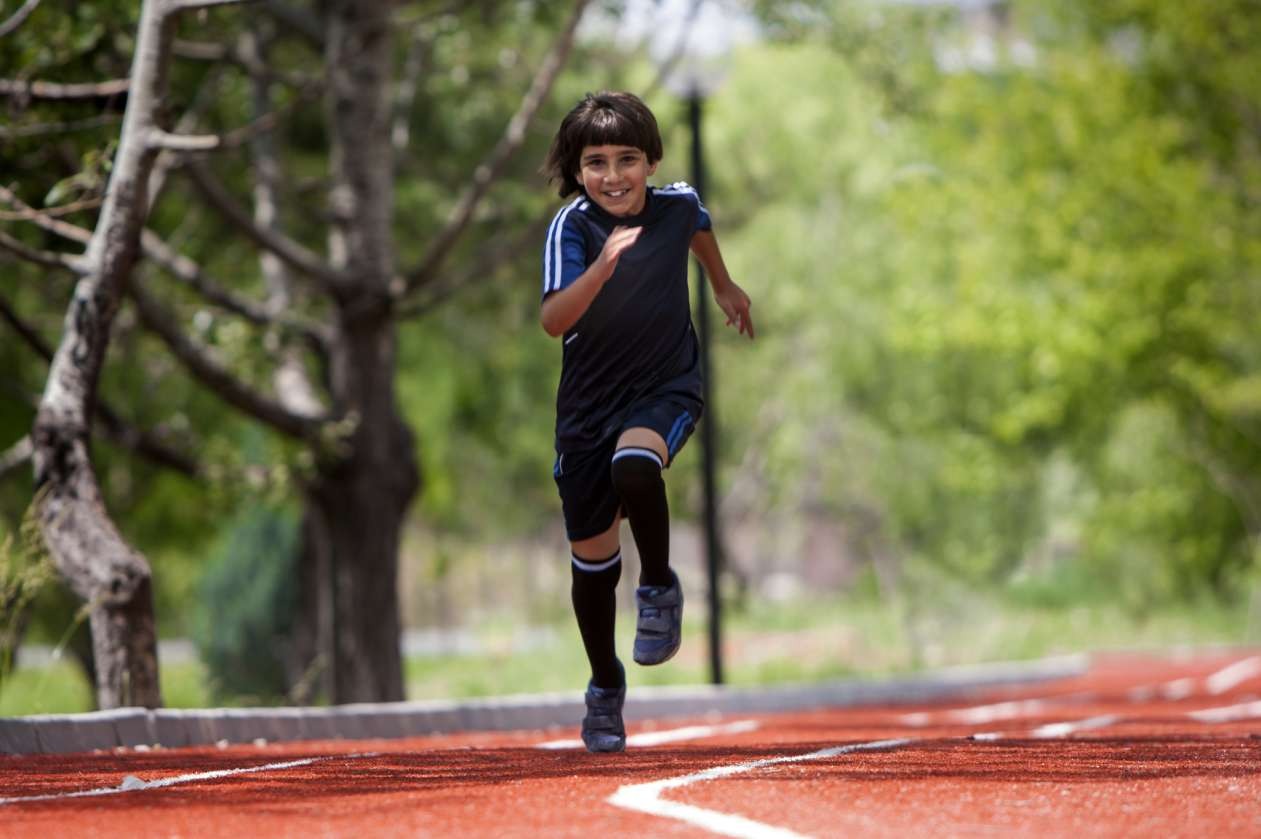
A young athlete sprints during a youth fitness test on school grounds (Photo: Alamy)
Health Education and Physical Literacy
Another area that has gained attention is the teaching of physical literacy, where children and adults are taught to understand their bodies, movement patterns, and basic fitness needs. This effort goes beyond gym sessions. It includes lessons on rest, nutrition, and injury prevention.
By helping people understand how their bodies function, trainers and educators are giving them the tools to stay active even without supervision. This knowledge encourages safer practice and reduces the fear that many beginners have when starting fitness routines.
Some community clinics now offer free fitness checks and awareness sessions. These are not just about identifying illness but helping people take early steps to improve their wellness. Physical literacy is also being added to teacher training so that instructors can better guide students beyond just structured games.
Corporate and Private Sector Involvement
Beyond government efforts, the business sector has also joined in promoting physical activity. Gyms, wellness centres, and sporting brands offer public engagement activities that go beyond selling products. They host fitness challenges, sponsor sports events, and support school initiatives to create more active communities.
Brands are now associating their image with healthy lifestyles. This has led to increased sponsorships of athletic events and funding of community sports projects. These partnerships bring both financial and logistical support to the movement.
Some companies have partnered with local governments to install fitness equipment in public parks or fund sports scholarships for students. These efforts help ensure that financial limitations do not block people from taking part in regular physical movement.
Focus on Rural and Underprivileged Communities
Efforts to increase access to sports and fitness are not restricted to urban centres. Rural areas and lower-income communities are now receiving more attention. Programmes are being tailored to fit the available resources in these places, with sports kits, fitness workshops, and visiting trainers sent to encourage community participation.
Mobile sports vans equipped with gear and trainers now visit smaller towns, offering opportunities for residents to get involved in structured activity. This outreach shows that physical wellness is a shared responsibility and should not depend on one’s location or financial strength.
These communities often have young talent that remains hidden due to a lack of exposure. By bringing structured fitness initiatives to them, authorities are not only improving public health but also uncovering future athletic talent.
Sustaining the Fitness Culture Through Sports
Progress being made reflects a deliberate plan to use sports as a long-term strategy to promote healthier living. Public involvement, infrastructure development, technology use, and private partnerships are all parts of a structure that supports better wellbeing.
What is now required is sustained effort, where these programmes continue to reach more people without losing momentum. Continued attention must be paid to maintenance, inclusion, and accessibility so that physical fitness becomes a permanent part of national life and not a passing interest.
The steady integration of sports into everyday routines is proving to be a reliable way to boost public health, raise awareness, and offer citizens the chance to live better, fuller lives.