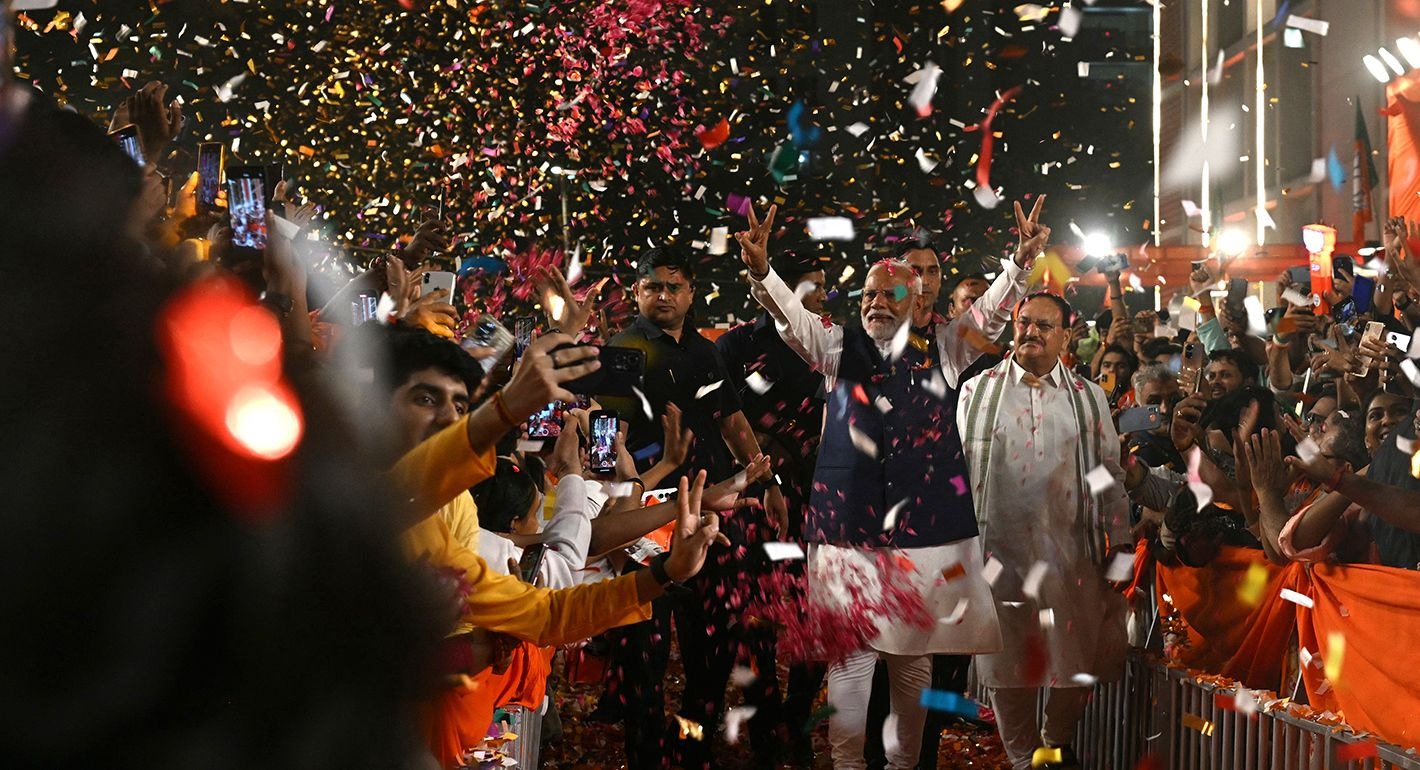
Every few years, citizens from across a subcontinent gather with a strong sense of duty and determination to make a choice that impacts their lives directly. Queues stretch across polling stations, people from different states and languages stand shoulder to shoulder, each carrying the same purpose.
From the deserts of Rajasthan to the hills of Nagaland, the election season draws millions to participate in a massive civic responsibility. Whether in large cities or rural villages, people set aside their differences to engage with a process that defines their nation.
Voting has become a rite of passage for many, with first-time voters approaching ballot boxes with excitement and those with decades of experience doing so with pride.
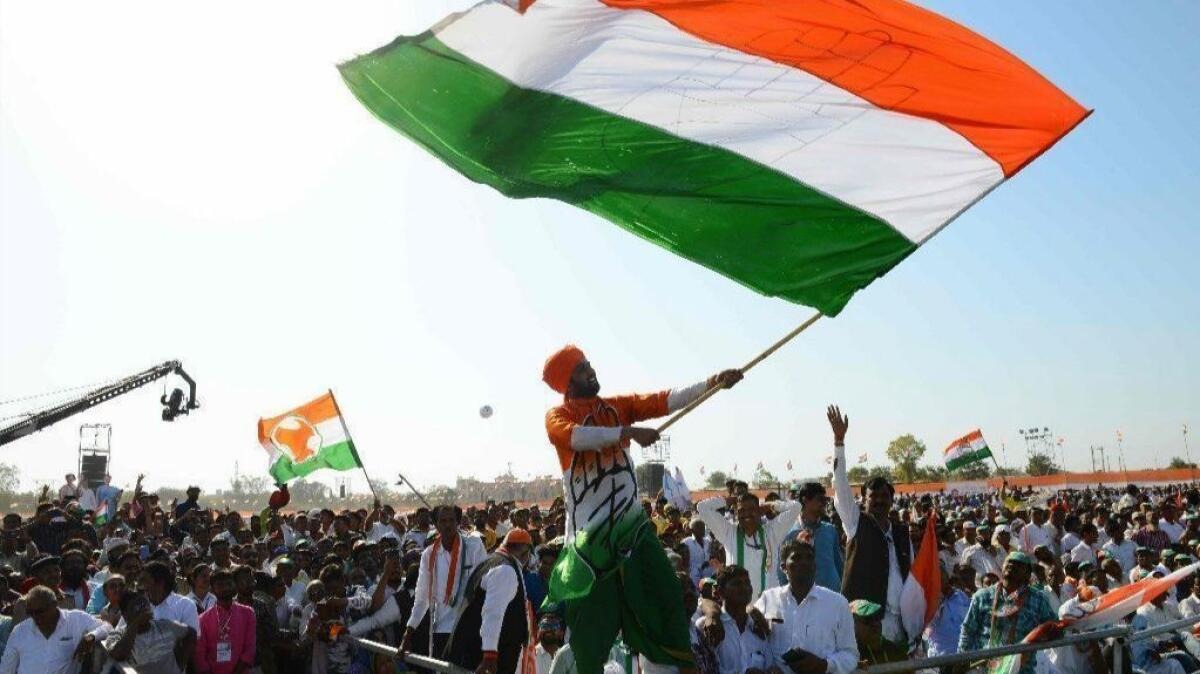
First timers and old timers meet at the heart of democracy (Photo: Flickr)
Unlike public holidays meant for relaxation or festivals tied to religion, elections represent a time of collective national action. Every eligible person is given an equal chance to speak with their vote.
It has become more than just casting a ballot. It is now tied to dignity, belief in progress, and an affirmation that every individual matters. As polling stations come alive with activity, the mood often blends seriousness with festivity.
School buildings double as voting centres, officials prepare for long hours, and security personnel stand by to ensure peace. These moments become deeply embedded in the public memory, especially for families who pass down stories of participating in previous elections.
The Preparation Behind Each Poll
Well before the voting day arrives, preparations begin across administrative offices, district headquarters, and grassroots locations. The Election Commission shoulders a great responsibility, coordinating across regions that differ in language, climate, population density, and infrastructure.
Ensuring free and fair participation means deploying thousands of workers, training polling agents, printing ballots or programming electronic voting machines, and arranging for transportation to remote corners of the country.
Months ahead, voter awareness campaigns begin with posters, songs, advertisements, and social media messages encouraging registration. Booth-level officers go door to door to confirm the electoral rolls are accurate. This period also witnesses the enforcement of the model code of conduct. Political candidates and parties must follow specific rules, refraining from hate speech, bribery, and actions that may unfairly influence voters.
This system continues to evolve with technology and better accessibility. From braille-enabled machines for the visually impaired to postal ballots for senior citizens and persons with disabilities, there is a steady effort to ensure no one is left behind. For those living in conflict areas or difficult terrains, special arrangements are made so they too can take part without fear or difficulty.
Campaign Trails and Public Participation
Once elections are announced, the public space becomes a theatre of ideas and persuasion. Political parties release their manifestos, outlining plans for economy, security, agriculture, education, and employment.
These documents reflect their promises and priorities, helping voters compare and decide. Candidates visit constituencies with great energy, addressing gatherings, listening to local concerns, and making pledges.
Roadshows, public meetings, door-to-door visits, and online interactions all form part of the effort to build a connection with the electorate. Supporters wear party colours, display flags, sing slogans, and help spread messages. At the same time, citizens themselves take a more active role than ever before.
From students to business owners, many now ask tough questions and demand accountability. Social media has also allowed voices previously unheard to contribute to political dialogue, leading to greater interest, especially among younger voters.
Television debates, panel discussions, and news reports fill homes with updates and predictions. Civil society groups, volunteers, and influencers encourage people to vote wisely and avoid misinformation. A once-passive audience has now turned into a critical participant, better informed and more vocal about their expectations.
Voting Day as a Celebration of Choice
When the day of voting arrives, the atmosphere is one of alertness and anticipation. People dress neatly, carry their voter ID cards, and make their way to polling stations, sometimes travelling long distances.
It does not matter whether one supports a national party or a regional one. What matters is the sense of agency that comes from expressing one’s belief through the ballot. Parents often take their children along, hoping to instill civic values early.
Polling officials set up before dawn, with security personnel ensuring the safety of all participants. Senior citizens, pregnant women, and persons with disabilities often receive priority access.
In some areas, cultural performances or community events accompany the process, reinforcing the importance of democratic participation. Selfies with inked fingers become a symbol of pride shared on phones and social media platforms.
It is not just a duty; it has become a moment of pride. Many speak of how the ability to vote makes them feel more seen, more respected. While challenges do exist, including voter apathy in urban areas or difficulties in regions with conflict, the general spirit remains strong. Civic awareness has grown alongside infrastructure, giving this national event an even deeper presence in daily life.
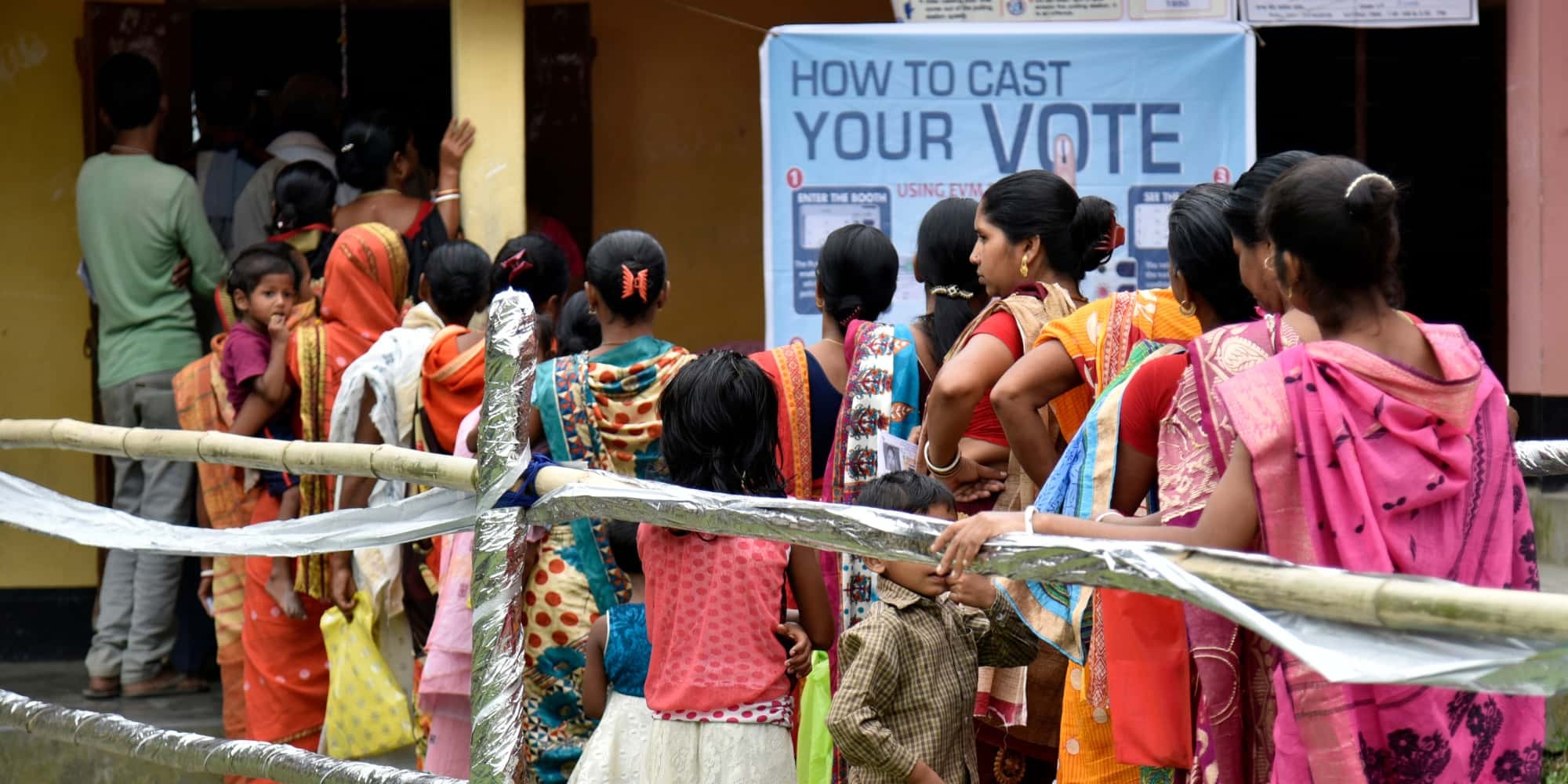
Every vote cast echoes the voice of a billion dreams (Photo: Alamy)
Counting Votes and Accepting Outcomes
Once the voting process ends, attention turns to counting day. Centres are set up where trained personnel begin tallying votes under tight supervision. Media outlets report live updates, and candidates wait nervously for trends to emerge. Some races are clear early on, while others remain too close to call for hours. The excitement builds steadily as results begin to form a complete picture.
This period tests the maturity of both politicians and voters. Celebrations take place in winning camps, but equally, those who lose often express respect for the process. Peaceful acceptance of results, even in the face of disappointment, reflects the health of democratic ideals. Disputes may arise and are addressed through legal means, but the foundation of the process remains trusted by most.
It is during this phase that lessons are learned. Parties that lose analyse their mistakes, strategise for the next round, and begin preparations for future contests. Those who win are expected to get to work, aware that they are accountable to those who voted them in. Media analysis, citizen feedback, and opposition voices keep them in check.
Elections as a Marker of National Maturity
Over time, each election has contributed to the strengthening of democratic values. Turnout rates, the inclusion of new voters, the role of independent institutions, and the conduct of political players all serve as reflections of how much progress has been made. Electoral processes have been used to bridge divides of caste, religion, and region, offering a chance for debate and reconciliation.
Participation from women has risen, both as voters and as candidates. There is now more representation from marginalised groups and smaller parties. Youth engagement has surged, driven by both aspiration and frustration. It is through such expressions that the country’s political direction is shaped and reshaped regularly.
Each cycle of voting offers renewal. Governments change, policies evolve, but the commitment to regular elections shows a deep-rooted belief in collective decision-making.
The act of standing in line and casting a vote, repeated across states and districts, reinforces the strength of a democratic structure. Even during times of crisis or uncertainty, this tradition has continued without pause.
Moving Forward with Greater Responsibility
With every election comes an increased sense of what is expected from leaders and what responsibilities fall on voters. It is no longer enough to vote based on loyalty or identity.
Citizens now ask for data, performance records, transparency, and moral clarity. Debates around corruption, infrastructure, public health, and climate issues shape electoral outcomes more than ever before.
Technology has offered new tools to track promises and measure delivery. But it has also brought challenges such as misinformation, fake news, and online manipulation. Voter education, digital literacy, and ethical journalism now carry even more importance. Those who engage with these platforms must do so thoughtfully, recognising the weight their words and choices carry.
As the nation prepares for each new election, there is a growing call for peaceful dialogue, genuine leadership, and long-term thinking. The ballot box remains the most peaceful and powerful tool available to a citizen. Through it, people demand justice, growth, inclusion, and respect.
What makes elections truly special is the way they bring everyone into the conversation. No matter one’s social status, language, belief, or occupation, the vote places all on equal footing. It offers both the right and the responsibility to shape the future, reminding citizens of the power they hold when united by a common purpose.