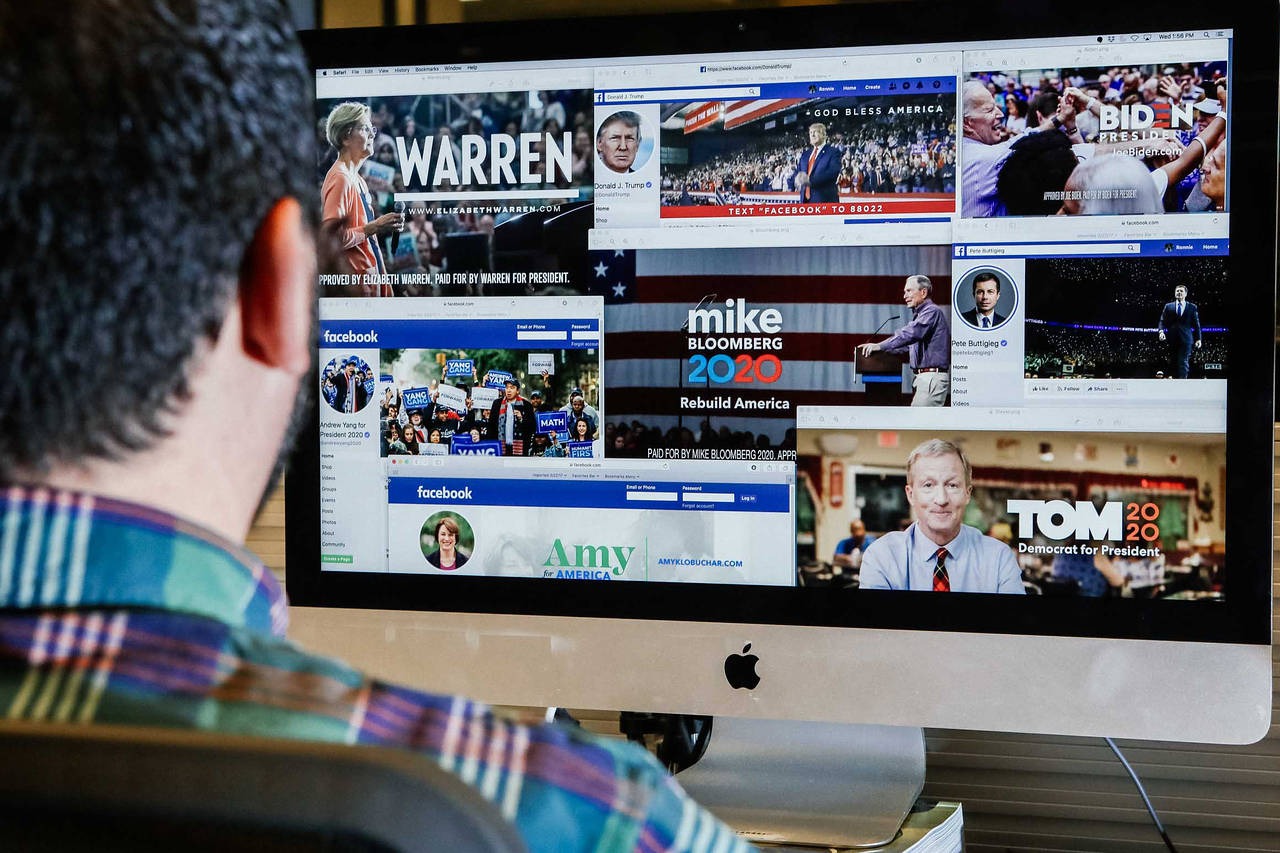
Political campaigns across the globe have witnessed a serious transformation over the past two decades. The way candidates reach voters, the speed at which messages are delivered, and the tactics used to sway public opinion have changed from what they used to be in the past.
Before now, campaigns depended heavily on newspapers, radio, posters, and television adverts. Today, digital technology has brought a different energy into the scene. Social media, data analytics, and mobile devices now play a huge role in shaping campaign strategies and voter engagement.
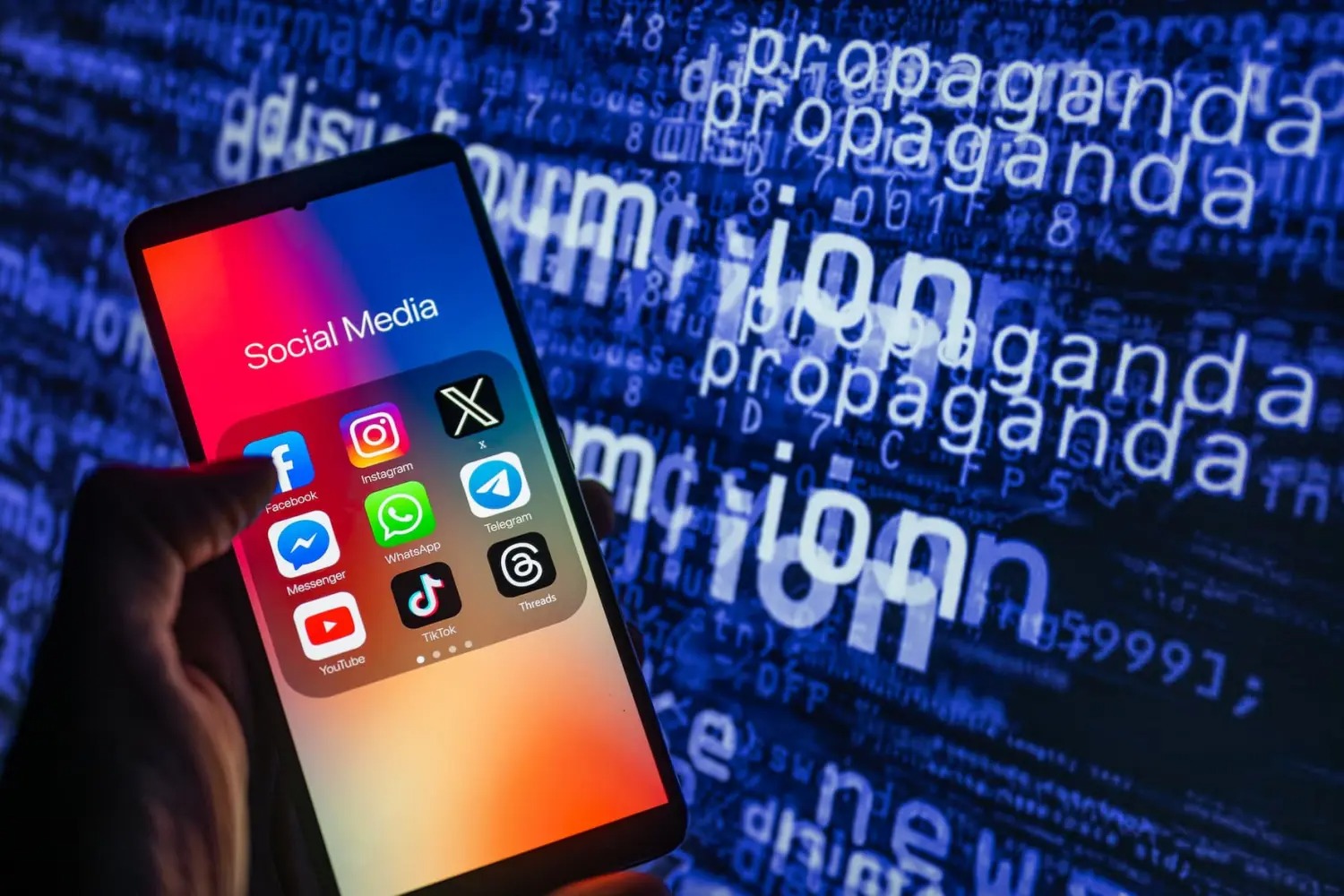
A single post can shape public opinion overnight (Photo: Flickr)
Before, politicians mostly met voters physically at town halls or rallies. Now, with a single tweet or post, candidates can speak to millions of people at once. The influence of digital tools on politics is now impossible to ignore.
As technology becomes part of everyday life, those contesting for political office must adjust and learn how to use it properly or risk being left behind. Voters are no longer passive observers. People now react in real time, ask questions, fact-check, and even challenge political promises on their own.
Campaign Communication Is Now Faster and More Direct
One major change that technology has brought into politics is the speed at which information travels. In past years, political news had to pass through traditional media houses before it could reach the public.
These days, political actors no longer rely only on journalists to pass their message. They now use platforms like X, Instagram, YouTube, and TikTok to speak directly to the people. This has removed many delays in how information is shared. A campaign message that used to take days to spread can now go viral within minutes.
With these digital platforms, candidates can now share live videos from their rallies, respond to issues instantly, and even conduct online interviews. This style of engagement feels more personal to the average voter.
Many people feel like they are seeing the candidate’s real personality, especially when the politician posts behind-the-scenes content or interacts with comments. This kind of direct communication has given politicians a new kind of control over their public image, although it also means that every misstep is quickly noticed and discussed.
Voter Data Is Now a Tool for Targeted Messaging
Another way technology has brought change is through the use of voter data. Campaign teams now use tools that can study online behaviour, likes, shares, search history, and even online purchases.
With this information, they build profiles of potential voters and group them based on interests, beliefs, and values. These categories help campaigners decide what kind of message each group is likely to accept.
For example, a candidate can decide to send one message to young people who care about student loans and a different one to older voters focused on retirement issues. These messages can also appear on the platforms where those groups spend the most time.
This form of micro-targeting was not available in the past, but today it helps campaigns use their resources more efficiently. It also makes it easier to test different slogans or videos and see which ones are more effective.
Misinformation and Fake News Have Become Common Problems
While digital technology has created many opportunities for political communication, it has also brought serious challenges. One of the biggest of these is the spread of false information.
It is now very easy to create and share fake news using social media. Videos and images can be edited to look real, and many people believe and share such content without checking the facts.
Political opponents sometimes use these tactics to damage each other’s reputation or to confuse voters. In some cases, false stories are sponsored or boosted online to make sure they reach large audiences.
These activities have forced electoral bodies, tech companies, and even governments to find ways to monitor and reduce harmful content. However, controlling such a large flow of information is difficult. Voters are now expected to be more careful about what they believe, and this has created pressure on individuals to do their own research before deciding what is true.
Traditional Media Is Now Competing With Social Media
Television, newspapers, and radio stations used to control political discussions, but social media has changed that balance. While many people still watch political debates or read opinion pieces, more voters now get their news from their phones. Influencers, bloggers, and even comedians now contribute to political discussions and help form public opinion.
These new voices sometimes reach more people than traditional journalists, and they do not always follow professional rules or fact-checking methods. As a result, the quality of political discussion can suffer.
At the same time, this new environment has opened the door for more people to participate in political conversations, especially those who felt left out before. Campaigns now spend money on online advertisements, pay content creators, and hire digital teams to handle this new form of engagement.
Fundraising Has Become Easier With Online Platforms
Raising money has always been a major part of campaign planning. In the past, this usually involved organising large events for wealthy donors or collecting physical cheques.
Today, digital platforms allow supporters to send money with a few clicks. Campaigns now run online fundraising drives, asking for small donations from large numbers of people.
This method has made it possible for new and less-known candidates to gather enough resources to compete. Instead of depending only on big contributors, they can reach out to ordinary voters who support their message.
Emails, text messages, and social media appeals are used to encourage people to give. These platforms also make it easy to track who donated and how much, making it more transparent and easier to report to electoral bodies.
Voter Mobilisation Has Improved With Technology
Technology has also improved how campaigns organise supporters. Mobile applications, text messaging, and social media help campaigners remind people to vote, tell them where to go, and even offer rides to polling stations. Volunteers can be recruited and trained online, and campaign events can be promoted digitally to attract crowds.
This level of organisation was harder to achieve in the past, especially for small or local campaigns. Now, even a limited team with digital skills can do a lot with less money.
Campaigns are now more flexible and can adjust their plans quickly when needed. They also use digital maps and voting history to focus on areas where support is strong or where more effort is needed.
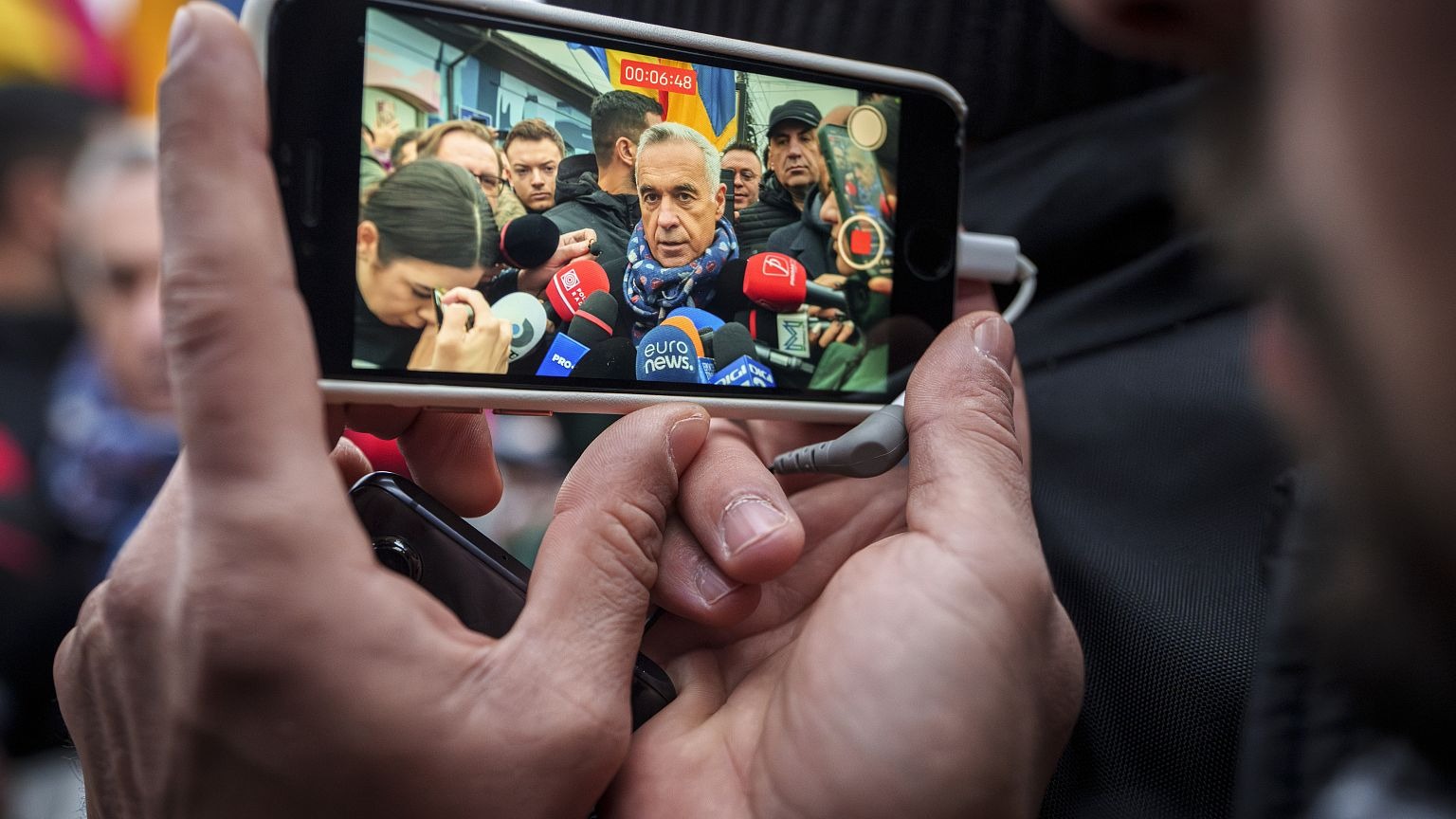
Political rallies are now streamed from smartphones (Photo: Alamy)
Youth Participation Has Increased Through Digital Tools
Young people are often among the most active users of technology. Because of this, campaigns have started to focus more on online platforms that appeal to younger voters.
From creating short videos on TikTok to launching hashtags on X, campaigners are learning how to speak the language of digital natives. These efforts have helped raise political awareness among the youth, making them more interested in elections.
In previous times, many young people ignored elections, thinking that their votes did not matter. Today, online platforms have become places where they express their views, criticise public officials, and call for change. As digital campaigns continue to grow, it is likely that youth engagement will keep rising, giving them a stronger voice in national matters.
Security and Privacy Remain Ongoing Concerns
As campaigns collect more information from voters, questions about data privacy and digital safety have grown louder. There is concern about how this data is stored, who has access to it, and whether it can be misused. There have been several cases where private information was leaked or sold to third parties.
Electoral bodies and lawmakers are now discussing how to create better rules that protect citizens’ personal data during campaigns. There is also concern about foreign influence through online platforms, where other countries may try to affect the outcome of elections. These security issues have shown that while digital tools can be useful, they also come with serious responsibilities.
Campaign Strategies Will Keep Adapting
As long as technology continues to develop, political campaigns will continue to adjust their methods. The digital space has become a powerful part of modern politics.
From communication and fundraising to voter outreach and strategy, technology now shapes every part of election planning. While there are challenges such as fake news and data concerns, the benefits of digital tools are also clear.
Candidates who understand how to use these tools wisely have a better chance of reaching more people and making a strong impression. However, voters also need to be smart, ask questions, and demand truth and fairness. Political campaigns may never return to what they used to be, and this change has made elections more competitive and more engaging than ever before.