Young faces have started taking centre stage in public office, drawing attention with their boldness, fresh thinking, and drive for reform. Across various constituencies, many young politicians are stepping forward with renewed energy, proposing solutions that reflect the concerns of modern voters.
As older political figures continue to age out or fall behind current realities, a new group of emerging leaders in their 20s and 30s is shaping how politics is being practised. These youthful individuals are no longer waiting for permission; they are contesting elections, forming alliances, and speaking directly to citizens both online and offline.

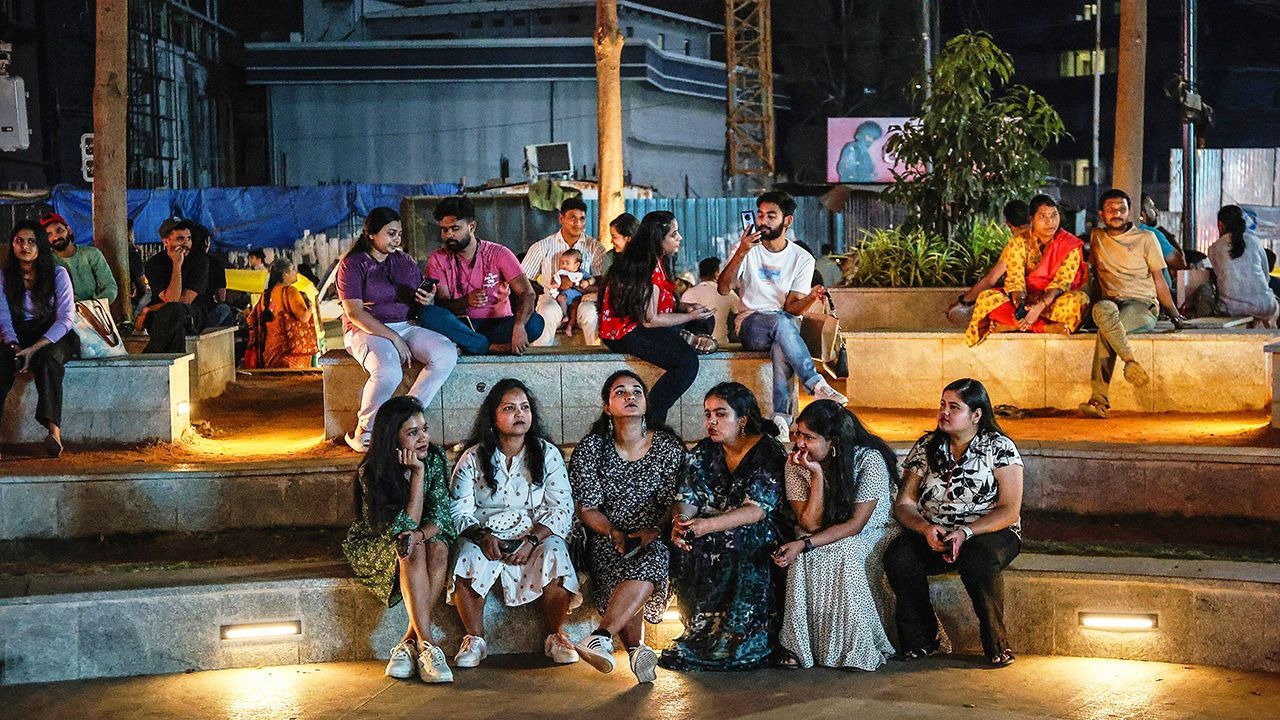
Bold voices in their 20s and 30s are reshaping policy talk (Photo: Getty Images)
This change did not begin overnight. Over the past decade, more educated, media-savvy and socially aware individuals have entered public affairs. These young politicians bring a strong presence on social media and are often deeply rooted in issues that matter to ordinary citizens such as employment, education, and clean governance.
Unlike the old guard, they are more approachable, more responsive, and they carry themselves with less formality, which makes them stand out. Many are first-generation politicians with no family history in governance, making their rise even more impactful.
Influence of Youth-Oriented Policies and Grassroots Mobilisation
Over time, younger politicians have shown that they are willing to go closer to the communities they serve. They often begin with student politics or activism, gaining experience and recognition before moving on to wider platforms.
Many of them speak the local language of their regions, allowing for stronger bonds with their electorate. These leaders are also the product of policy environments that have gradually started giving attention to youth inclusion in decision-making.
Some of the most popular youth-led movements in recent years have been supported or initiated by these upcoming leaders. Their ability to organise rallies, address civil grievances, and present themselves as credible alternatives to traditional figures makes them a force worth watching.
In many cases, these young politicians come with professional backgrounds ranging from law and journalism to science and public health. Such exposure brings technical knowledge into government conversations, offering more grounded proposals.
Use of Technology and Communication in Modern Politics
The rise of social media and digital engagement has changed how the public relates to those seeking public office. Young politicians understand the value of these tools better than their older counterparts.
From live video sessions and issue-based campaigns to creative infographics and digital townhalls, these politicians have used every method available to reach constituents. They are often seen responding to questions directly, taking feedback, and participating in virtual discussions that allow them to remain visible and relevant.
Rather than relying solely on traditional rallies or printed posters, they now run data-driven campaigns using polling insights, algorithms, and real-time updates. These methods give them a stronger understanding of what people actually want instead of guessing through outdated systems. Through this, they have built new trust with voters who previously felt disconnected from politics.
Shifting Power Structures and Party Adaptation
Established parties have noticed the influence of these younger politicians and are adjusting their internal mechanisms to stay current. Youth wings have gained more visibility and autonomy in recent years.
In several parties, decision-making is no longer the exclusive right of the elders. Internal elections, mentorship programmes, and policy development units are increasingly including members under 40 years of age.
Smaller regional parties have also become platforms for young candidates who feel sidelined in national organisations. This allows more voices to enter the scene and challenge the dominance of older figures.
In many cases, the presence of young politicians has reduced voter apathy, especially among first-time voters and those from urban areas. Young people feel more inspired to register, vote, and campaign when they see people like themselves on the ballot.
Representation Across Gender, Region and Class
What makes this trend even more impactful is the diversity it brings. Young female politicians are stepping forward with strong mandates and clear goals. Women under the age of 35 are now contesting elections at higher rates and, in some cases, winning by large margins. They focus on issues such as public safety, equal opportunity, education and sanitation areas that are often overlooked by the traditional establishment.
Also noticeable is the rise of candidates from underrepresented communities. These individuals carry the voice of groups who have long been left out of policy discussions.
Their campaigns often draw attention to caste injustice, unemployment, poor infrastructure, and healthcare shortages. Instead of repeating the ideas of older generations, they introduce perspectives that are current and rooted in lived experience.
Public Trust and Youth-Led Accountability
The energy and urgency brought by younger politicians also comes with stronger expectations from the public. Citizens now want more transparency and more honest communication.
Young politicians have responded with platforms that allow people to monitor local development, provide suggestions, and hold their representatives responsible for promises made during campaigns.
Several of them have implemented systems such as public reviews, scorecards and open forums to allow constituents to remain engaged after elections. They regularly post updates and engage in follow-up work, showing that they understand that political duty does not stop once votes are counted. Some have even introduced community audits and open budgets, pushing for greater participation in governance.
Education and International Exposure
Many of the younger politicians have studied abroad or worked in international organisations before returning to enter politics. This exposure has helped them bring new models and case studies into domestic policymaking.
They often compare approaches used in other countries and suggest methods that can be adapted for local use. Such cross-cultural knowledge enhances the quality of their legislative work and gives them the confidence to engage in high-level discussions.
They are also often fluent in English and other Indian languages, making them able to bridge gaps between different regions, communities and institutions. Their strong communication skills help them deal with the media more effectively and deliver speeches that resonate with different types of audiences.

Fresh faces speak the language of the people (Photo: Pexels)
Challenges Faced by Young Politicians
Despite their rising popularity, young politicians still face many challenges. Age-based prejudice remains common, especially in rural areas where experience is often valued above fresh thinking.
They sometimes struggle to gain the same level of funding, party support and media coverage as older leaders. Internal politics within parties can also block their progress, as many senior members resist change or feel threatened by younger colleagues.
Corruption, voter manipulation, and policy delays are obstacles that still affect their work. However, many of them have shown resilience and patience, choosing to remain focused on results rather than getting trapped in political games. They often rely on volunteers and issue-based alliances to strengthen their campaigns and grow their support base.
Growing Connection with Voter Concerns
Younger politicians are often quicker to pick up emerging concerns such as climate change, online safety, student rights, and digital privacy. They speak openly about mental health, social inclusion, job training and gender equality.
These are topics that older politicians have often ignored or dismissed. By speaking clearly and consistently about these matters, young leaders are pushing these topics into mainstream political debate.
They are also more likely to partner with civil society organisations, startups, and education institutions to develop practical solutions. Rather than making only speeches, they focus on implementation and often post their progress on public platforms. This keeps citizens engaged and increases public confidence in youth-led governance.
Outlook for Future Elections
Looking ahead, many voters have already started expressing preference for younger, more relatable candidates. As internet penetration continues to grow and political education spreads, the demand for youthful representation will likely rise. Political parties will need to open more doors to young aspirants if they hope to remain relevant.
State elections, municipal contests, and national polls will all see increased competition from younger candidates who bring different campaign methods, new leadership styles, and a better grasp of modern-day concerns. They are rewriting expectations and challenging old political habits.
Without relying on legacy or inheritance, these politicians are proving that age is not a barrier to leadership. By combining professionalism with activism, they offer a fresh type of leadership one that listens more, responds faster and remains open to collaboration.
Their growing presence has already influenced the way politics is approached and understood, and the next generation of voters will likely continue to seek out leaders who match this new image.