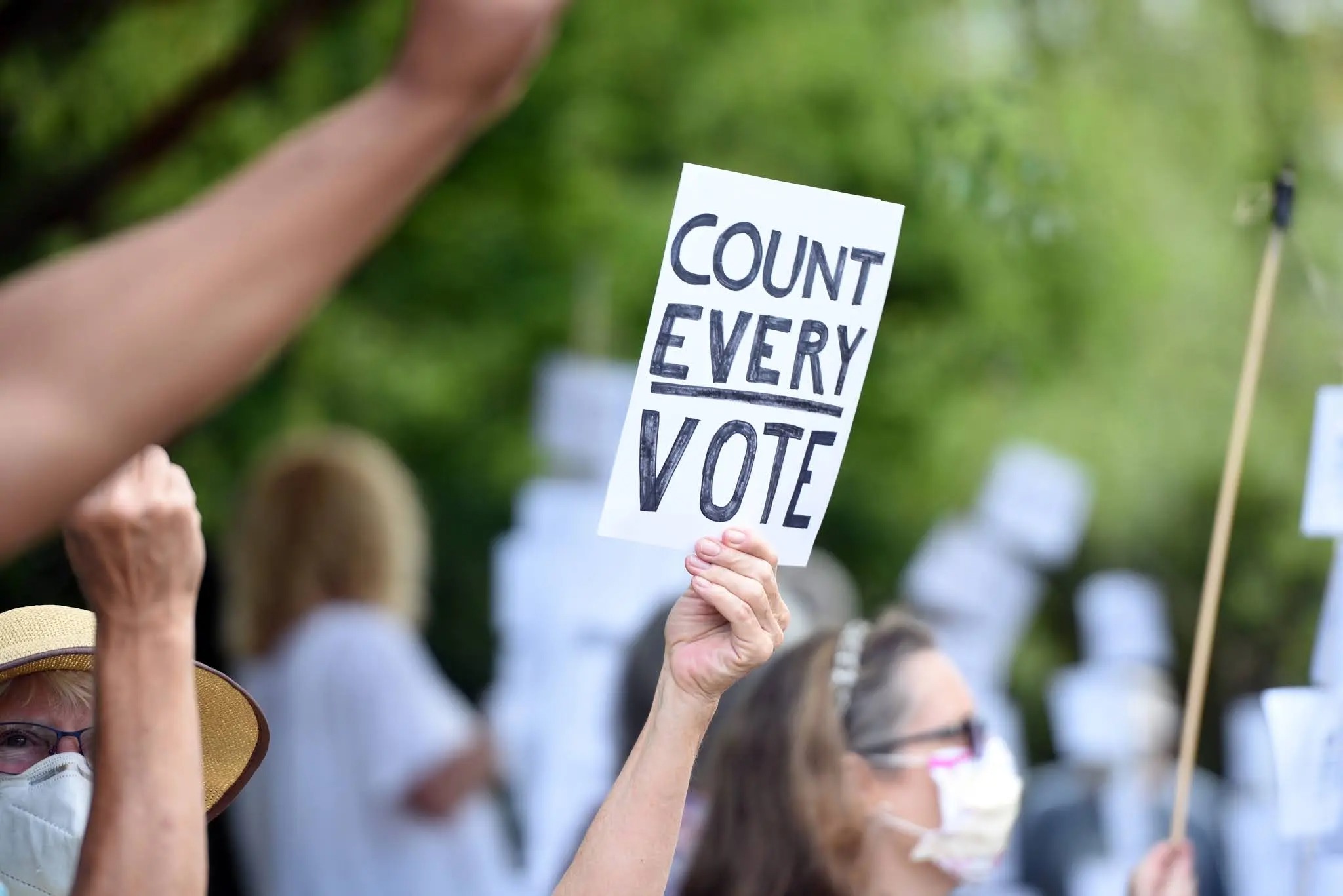
Every four years, citizens across democratic nations gather to take part in one of the most fundamental elements of governance casting their votes. While the concept of voting is widely accepted, many individuals still remain unaware of the deeper responsibility attached to it.
There are countless reasons why people decide not to vote: some do not understand the process, others lack faith in its impact, and many more simply feel disconnected from those contesting for office.
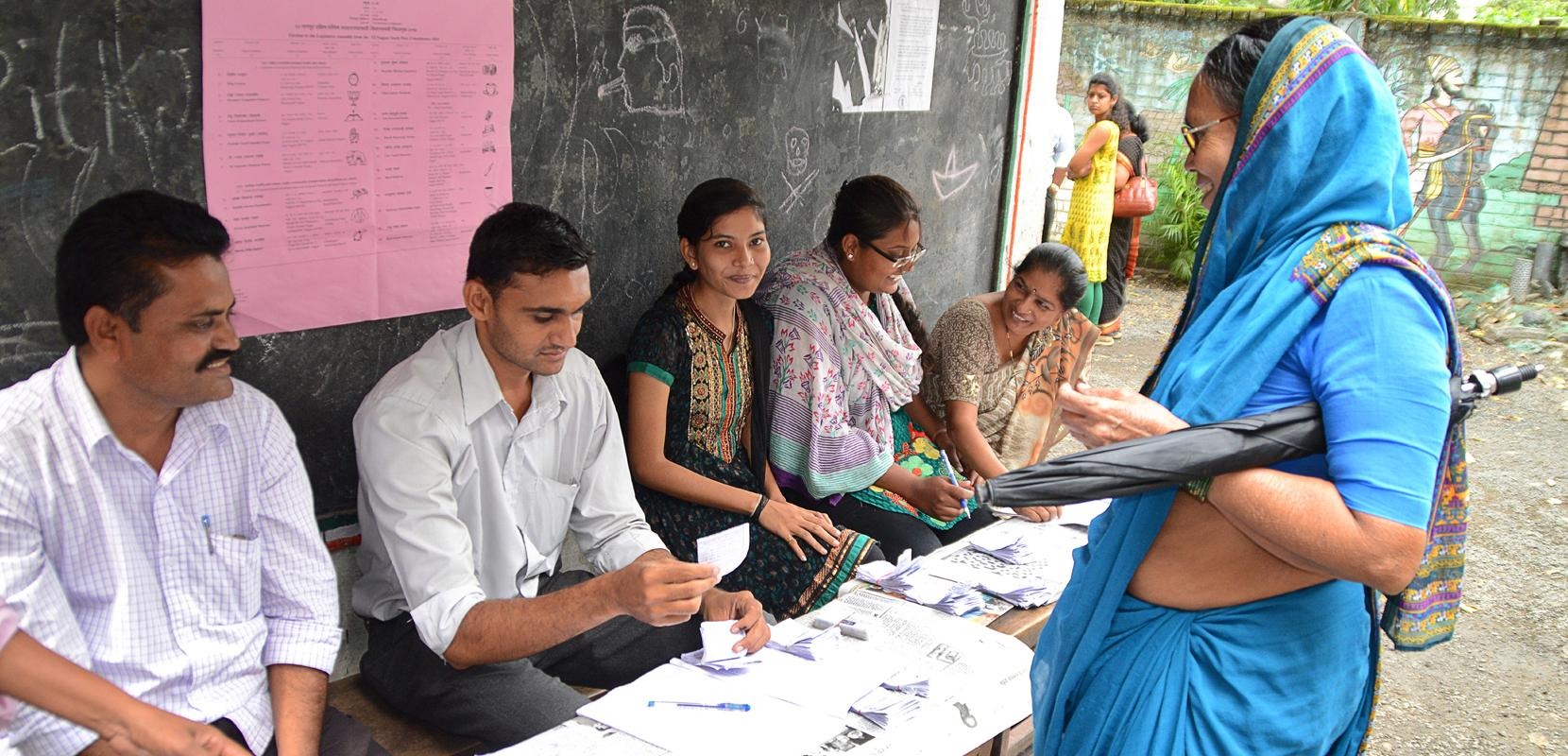
Informed voters help democracy work the way it should (Photo: Shutterstock)
These attitudes have far-reaching consequences that stretch beyond personal decisions. The gap between political power and public understanding can only be closed through consistent, accessible voter awareness campaigns.
When citizens are informed, their involvement in democratic processes becomes meaningful. Voting is not just about choosing leaders. It is about making choices that affect education, healthcare, security, taxation, and infrastructural development. If people are misinformed or unaware of their power, democracy becomes shallow. Awareness efforts help bridge this disconnection.
They enable citizens to ask the right questions, demand transparency, and make informed choices during elections. Without these efforts, democratic institutions risk becoming tools for the elite, controlled by a few while the majority watch from a distance.
Why Voter Education Remains Crucial in Modern Times
In recent decades, many nations have witnessed declining voter turnout. This situation cannot be resolved by merely urging people to visit polling stations. The actual issue lies in knowledge gaps and disinterest fuelled by a sense of exclusion.
Voter education helps address these issues by offering clear, unbiased information about the voting process, election dates, eligibility, and the roles of different public offices.
Awareness efforts help in combating myths and misinformation that often circulate close to election seasons. Social media, while useful for spreading information quickly, is also a fertile ground for half-truths and deliberate lies.
Campaigns that focus on voter education provide fact-based clarity and direct people to reliable sources of electoral information. When individuals understand how elections function, they become less likely to be misled.
Another major reason voter awareness matters is the diversity of the electorate. People from different educational, social, and cultural backgrounds may have different levels of access to political information.
Voter awareness campaigns create space for inclusive learning by simplifying legal and political processes for everyone. With the right guidance, even first-time voters or those living in remote areas can feel confident about participating in an election.
The Role of Youth in Driving Civic Engagement
Young people form a large portion of the voting population, yet many of them remain passive observers of political activities. This issue often arises because of inadequate outreach from institutions responsible for civic education.
Voter awareness campaigns aimed at youth help foster early understanding of democratic responsibilities. Schools, universities, social groups, and digital platforms can all play an active role in promoting civic learning.
When young people are equipped with the right knowledge, they become more likely to take action. They can challenge older generations who may hold outdated or biased views. They can engage in peaceful political discussions and even inspire their peers to become part of the electoral process.
In addition, young voters are more likely to experiment with digital civic tools, such as online registration portals, government apps, or social platforms where political debates occur. When educated early, they help strengthen the future of democracy by keeping it dynamic and responsive.
Community Engagement and Localised Messaging
For any voter awareness campaign to be effective, it must reflect the values and concerns of the local community. A one-size-fits-all approach does not work. In areas where people rely on community leaders or religious institutions for information, campaigns must include these groups in their outreach efforts. In cities where digital access is high, online campaigns become useful tools for engagement. The message must match the environment.
Tailored campaigns ensure that citizens are not just hearing messages but are also connecting with them. Language, culture, and local challenges should all be taken into account when designing outreach strategies.
This helps the message sink deeper into the minds of the target audience. For instance, a voter in a rural area may respond better to messages spread through local radio than a fancy advertisement in a newspaper.
Also, involving trusted voices in these campaigns increases effectiveness. When respected individuals within the community explain why voting matters, people listen. It also creates a sense of shared responsibility.
Voter awareness efforts should therefore encourage partnerships with civic organisations, religious centres, market associations, and local influencers. When the campaign feels like a community effort, more people are likely to take interest and participate.
Addressing the Influence of Disinformation and Political Apathy
Disinterest in voting does not always come from laziness. Many times, it is born out of fatigue and disappointment. When citizens repeatedly vote without seeing visible change, they begin to doubt the entire system.
Others grow tired of political leaders who promise much but deliver little. Voter awareness campaigns cannot solve these challenges overnight, but they can help in rebuilding trust, step by step.
Such campaigns must go beyond telling people what to do and focus on explaining why it matters. When a campaign breaks down how local government affects daily life from waste disposal to road maintenance people start seeing the connection between their votes and the policies around them. They realise that voting is not just a political act; it is a civic duty tied to their wellbeing.
Fake news and propaganda have also made many individuals question election credibility. The spread of false stories has led to confusion and doubt. Voter awareness campaigns, when consistent and reliable, help reduce the damage done by disinformation. When citizens have regular access to verified information, they grow more confident in the process and less likely to fall for deceitful content.

Awareness campaigns turn silent citizens into active participants (Photo: Alamy)
Building Trust Through Transparency and Inclusion
Trust remains the backbone of any democracy. If people do not believe in the honesty of an election, they may stay away from it altogether. This is why voter education must also include transparency about how votes are collected, counted, and reported. The more citizens understand the process, the less suspicious they become.
This transparency must also apply to institutions that organise elections. Citizens have every right to question procedures and demand answers. Voter awareness campaigns should include opportunities for public dialogues, Q&A sessions, and open days at election offices. This builds familiarity between the public and officials, reducing fear and suspicion.
Inclusion is also an important area that must be addressed. Persons living with disabilities, elderly citizens, and those in isolated regions often find it hard to take part in elections.
Campaigns must be designed to reach these groups too. Braille materials, sign language interpreters, and transportation for those with mobility challenges are some of the ways inclusion can be improved. Every citizen deserves the chance to participate, regardless of their physical condition or location.
Strategies for Long-Term Impact
Short-term campaigns around election periods are helpful, but long-term approaches create better results. Voter awareness should not be an occasional programme that appears only during election seasons. It should be a regular feature of civic life, encouraged by both government and civil society.
One way to ensure this is through civic education in schools. If children grow up learning about their rights and responsibilities, they become more active citizens as adults. Media houses also have a duty to continue discussing civic topics, even outside of election periods. Talk shows, interviews, documentaries, and even entertainment segments can all be useful tools.
Public agencies must also use their influence to keep awareness alive. Government offices that handle identity registration, taxes, or healthcare can include short messages on voter awareness within their materials. Faith-based groups can introduce civic themes in their teachings. Over time, all of these efforts combine to create a more informed, engaged society.
The Role of Technology in Modern Campaigns
Digital platforms have changed the way people receive information. Social media, mobile applications, SMS services, and interactive websites allow campaigners to reach larger audiences quickly. These tools should be used wisely. Campaigns must avoid creating noise and instead focus on clarity and reliability.
Interactive tools such as online quizzes, videos, infographics, and real-time polls can keep users engaged while teaching them about the voting process. Messaging apps like WhatsApp or Telegram can also help send personalised reminders to users about major dates. Technology makes it easier to track engagement levels and adjust campaign strategies in real-time.
However, with this power comes responsibility. Those who use digital tools must ensure the accuracy of their content. Misinformation spreads just as fast as genuine knowledge, sometimes even faster. Therefore, all digital efforts must undergo review by experts before they are released to the public.
People’s involvement in voting is the heartbeat of democracy. Every effort that supports informed participation strengthens the pillars of governance. When voter awareness becomes a part of everyday conversations, people do more than cast ballots they claim ownership of their nation’s future.
Through constant education, inclusive strategies, and transparent communication, societies can move closer to a truly participatory system where every voice matters.