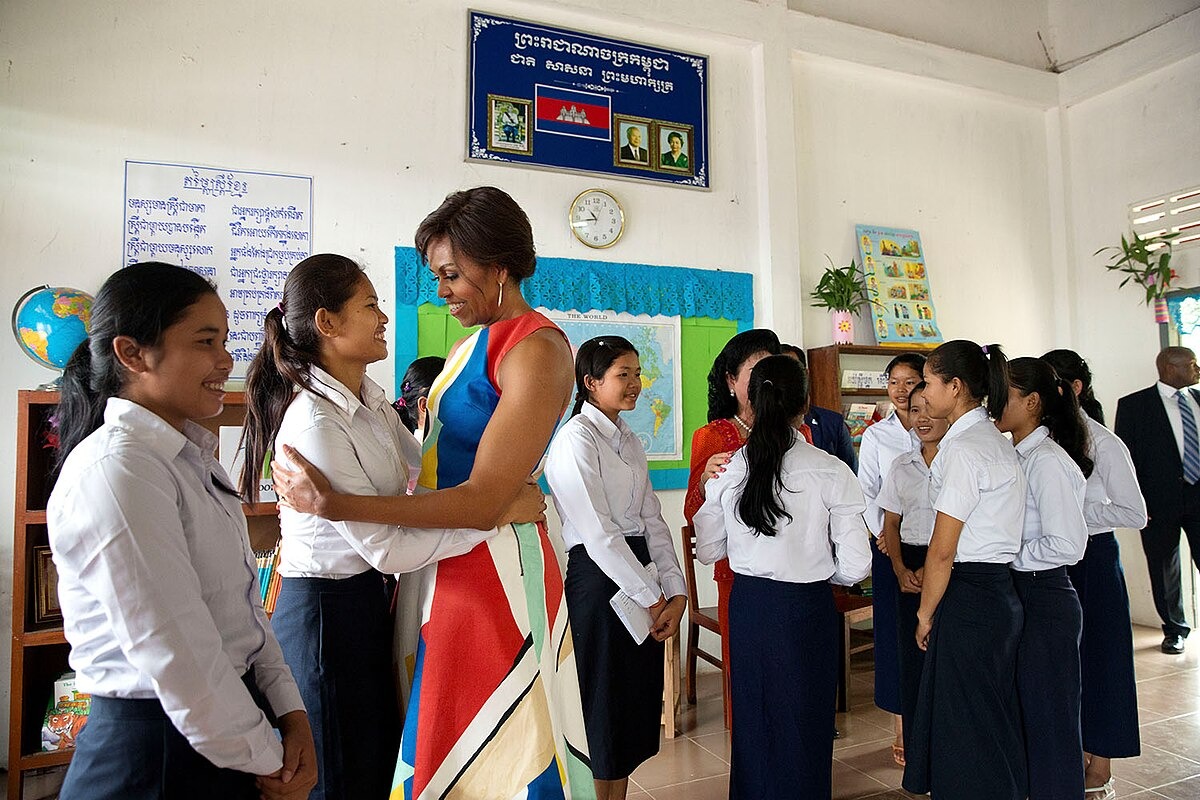
For many years, women have remained part of political conversations through their active engagement in various areas of public life. Across the decades, their place in governance has continued to grow, even though barriers still exist in several corners of the society.
As more women stepped forward to claim leadership roles, politics in India began to reflect this growing interest and courage from female voices. Their involvement is not recent, but their push for greater influence in decision-making circles has become more visible in modern times.
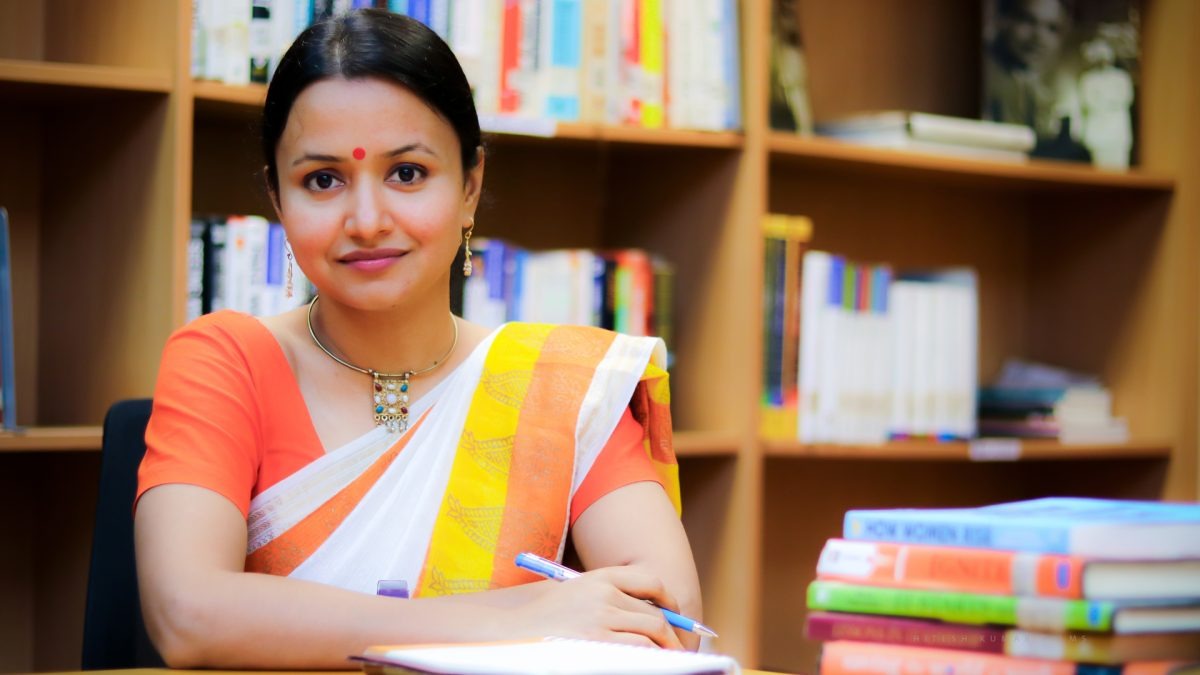
From protest lines to Parliament women have always been part of the journey (Photo: Getty Images)
Many of them have built strong reputations through grassroots activism and social work before making their way into elected positions. The political space, once seen as a male-dominated field, now shows signs of broader participation, especially from women who are passionate about effecting change through legislation, policy, and advocacy.
Historical Participation of Women in Politics
The record of women’s involvement in politics reaches back to the freedom struggle. Women such as Sarojini Naidu, Aruna Asaf Ali, and Vijaya Lakshmi Pandit stood among the respected figures who contributed to building the country. They played major roles during protests, civil movements, and diplomatic engagements.
After independence, women were appointed to positions within both legislative and executive branches, although their numbers remained low. They were included in various committees and often spoke out on issues of education, public health, and labour reforms.
These early contributions provided a solid foundation that inspired future generations of women to consider political careers. Although female representation was limited at first, the persistence and courage shown by these pioneers shaped the direction for many who came after them.
Women as Elected Representatives
In recent decades, there has been a steady increase in the number of women contesting and winning seats in Parliament and State Assemblies. Political parties have begun to realise the value of including female candidates on their lists, especially during major elections.
While some critics argue that many women receive nominations based on family ties or dynastic backgrounds, there are many others who have carved out their own space without relying on legacy or political connections.
Female leaders like Sushma Swaraj, Mayawati, and Mamata Banerjee have led large constituencies and taken on serious responsibilities. Their success stories have encouraged more women to come forward and participate in elections as candidates rather than just voters or party workers.
Challenges Faced by Women in Political Life
Despite progress, the road remains uneven. Many women in politics still deal with societal pressures, gender stereotypes, and limited access to funding and resources. Campaign financing often becomes a hurdle for first-time female contestants, especially those without strong backing from major political parties.
Besides that, female politicians are sometimes judged more for their appearance or personal life than for their policies and ideas. The media has been known to pay extra attention to their clothing, speech style, and family life, which rarely happens to their male counterparts.
Even within party structures, women often find themselves restricted to specific roles, such as managing women’s wings or focusing solely on social issues, instead of participating in strategic decision-making or leading election campaigns.
Women in Local Governance
One major step that helped women gain leadership experience came through the Panchayati Raj system. The reservation policy that guarantees a third of seats in local government for women has led to the emergence of thousands of female leaders at village, block, and district levels.
This move helped rural women understand administrative duties, budgeting processes, and developmental planning. It also made the presence of women in decision-making bodies a more common sight across towns and villages.
In several instances, women sarpanches and council members have brought positive changes to their communities, addressing issues like sanitation, drinking water supply, healthcare, and school infrastructure. Their success stories often go unnoticed in mainstream discussions, but these women have become important changemakers across rural parts of the country.
Influence of Women on Policy and Governance
Female politicians have brought fresh focus to issues that were earlier pushed to the background. Matters such as maternal health, child welfare, girl-child education, and gender-based violence have received more attention when women take part in legislative discussions.
Several important bills concerning domestic violence, sexual harassment at workplaces, and reservation for women in legislative bodies have either been introduced or supported by female members of Parliament.
They often bring different perspectives into debates and are more likely to highlight the practical challenges that affect ordinary citizens, especially women and children. Though their presence in Parliament remains lower compared to men, their voice often brings balance to policy conversations.
Rise of Young Women in Indian Politics
Another encouraging sign is the rise of young women who are entering the political space with strong educational backgrounds, activism experience, and digital awareness. Many of them are using social media to connect with the youth, discuss policy matters, and create awareness about civic responsibilities.
This group of young female leaders is different from the older generation in their approach, as they tend to be more direct in expressing their opinions and more connected with public discourse on digital platforms.
Their active participation has made political debates more inclusive and modern. These younger women are also working across different issues such as climate policy, minority rights, digital inclusion, and public health.
The Push for Greater Representation
Discussions around increasing women’s representation in Parliament have gone on for years. The idea of reserving one-third of the seats for women has received both support and opposition from different sections of the political class.
Supporters believe that such a measure would speed up gender equality in politics, while critics feel that competence and capability should be the only criteria for electoral nominations.
Still, many agree that unless steps are taken to provide fair opportunities, the gender gap in political leadership will continue. Several political parties have made public commitments to field more women candidates, but the actual implementation often falls short of the promise.
Role of Women in Political Movements and Protests
Women have also played strong roles outside of formal political offices. Across the years, they have stood at the frontlines of protests, advocacy campaigns, and social reform movements.
From the Chipko movement in the 1970s to the anti-corruption protests and the farmers’ movement in recent times, women have made their presence felt. They have led rallies, organised community meetings, and engaged with policymakers.
These actions have shown that women are not only participants but also organisers and leaders in public movements. Their presence gives depth to public demands and shows their strength in standing up for collective causes.
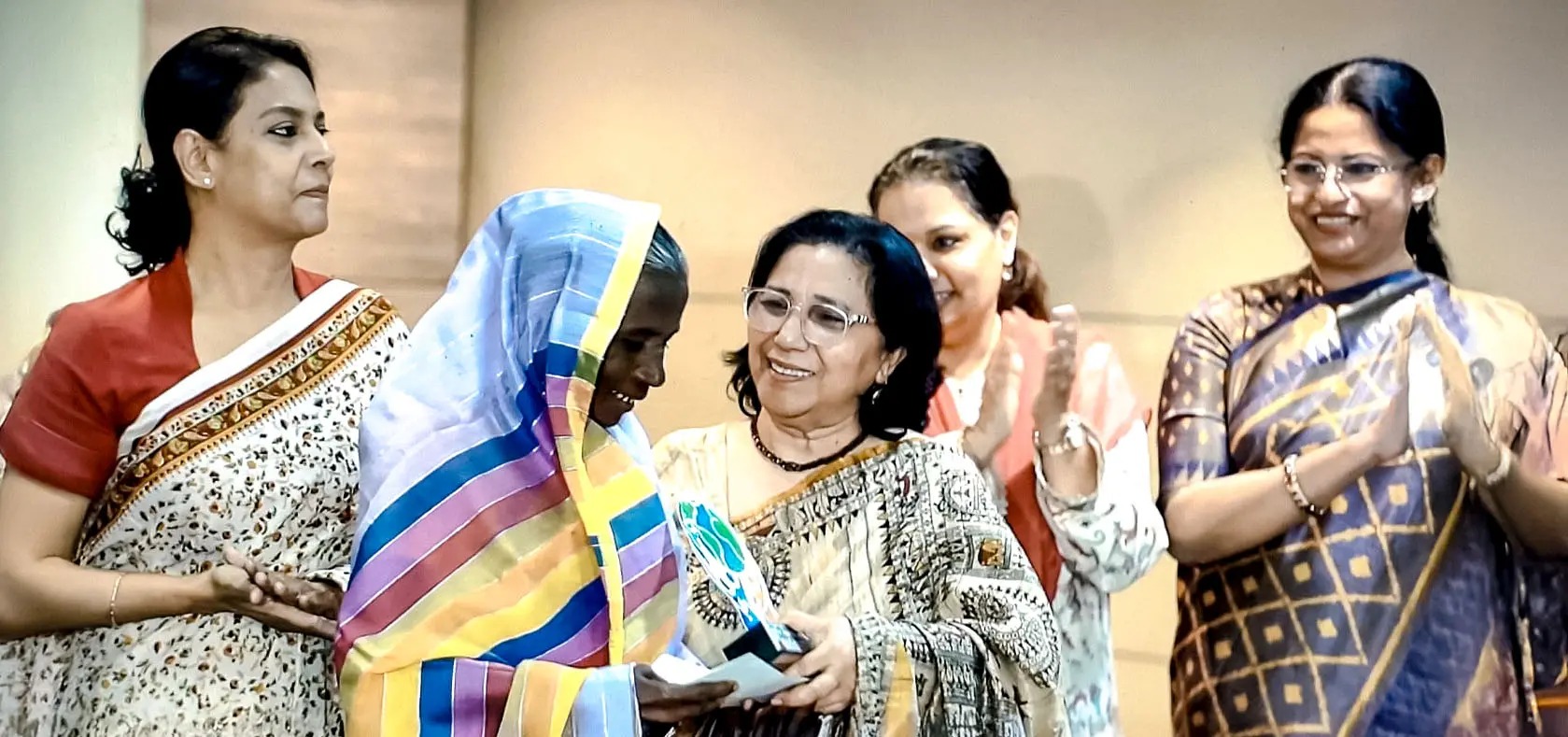
Grassroots activism remains a powerful launchpad for female politicians (Photo: Shutterstock)
Representation in Political Parties and Leadership Roles
Within party structures, women still find themselves underrepresented in leadership roles. Although many parties have established women’s wings or separate cells for women members, few women hold top positions such as party president or national general secretary.
The decision-making power still rests largely with male leaders. Some parties have taken steps to change this, but the pace remains slow. Efforts must go beyond symbolism and include serious reforms within internal systems to ensure women are present at the table where major strategies are decided.
Mentoring young female party workers and giving them exposure to political planning can also help develop strong leadership from the ground up.
Cultural Perceptions and Social Attitudes
Cultural expectations and traditional roles continue to influence how people view women in politics. In several communities, the idea of a woman speaking in public or challenging male authority remains uncomfortable for many. Such attitudes often discourage women from contesting elections or joining party work.
Women who do enter politics must deal with constant judgement and a higher level of scrutiny compared to their male colleagues. However, public awareness is slowly changing. Education and media have played a part in shifting opinions, especially in urban areas where more families now support the idea of women choosing public service as a career.
Opportunities and Progress
While the current numbers may still show imbalance, the direction points towards improvement. Every election season brings new female candidates who step forward to offer fresh ideas and better representation.
Many of them have built strong community ties and earned the respect of voters through service and engagement. Others continue to fight long battles to remain visible in political spaces where they are still outnumbered.
As more young women step into leadership roles, backed by education, exposure, and public support, politics will continue to become more inclusive. Institutional reforms, social awareness, and supportive structures can help close the existing gap and create space for balanced representation.
By strengthening support systems and creating environments where both men and women can thrive equally in public life, the political future stands to benefit from diverse ideas and leadership qualities.
Continued efforts toward gender balance in policy-making bodies can create more responsive and inclusive governance, where issues affecting different sections of the society receive fair attention and action.