The last remaining nuclear arms control treaty between the United States and Russia is set to expire on Thursday, raising global concerns that the world could be heading toward a renewed nuclear arms race.
The agreement, known as New START, was signed in 2010 and limits each country to 1,550 deployed strategic nuclear warheads. It also introduced transparency measures such as data exchanges, advance notifications, and on-site inspections, tools designed to reduce misunderstandings and prevent escalation between the world’s two largest nuclear powers.
With its expiration, the era of structured arms control cooperation between Washington and Moscow, one of the stabilizing pillars that emerged after the Cold War, will effectively come to an end.
On Wednesday, Pope Leo urged both countries to renew the treaty, warning that the current global climate makes it essential to “do everything possible to avert a new arms race.”
End of an Arms Control Era
New START followed earlier agreements that dramatically reduced nuclear stockpiles after the Cold War. The original START treaty, signed in 1991 by the US and the Soviet Union, capped warheads at 6,000 per side. New START tightened those limits further after the Soviet Union’s collapse.
Although Russia formally suspended participation in the treaty in 2023 amid rising tensions over Ukraine, both sides were widely believed to have continued observing its limits, until now.
The treaty’s expiration fits into a broader collapse of arms control frameworks. Other major agreements that have fallen apart in recent years include:
- The INF Treaty, which eliminated many nuclear missiles from Europe
- The Open Skies Treaty, allowing aerial military surveillance
- The Conventional Armed Forces in Europe Treaty, which limited troop and equipment deployments
Former UK armed forces chief Admiral Sir Tony Radakin has described the unraveling of these agreements as one of the most dangerous developments in modern global security.
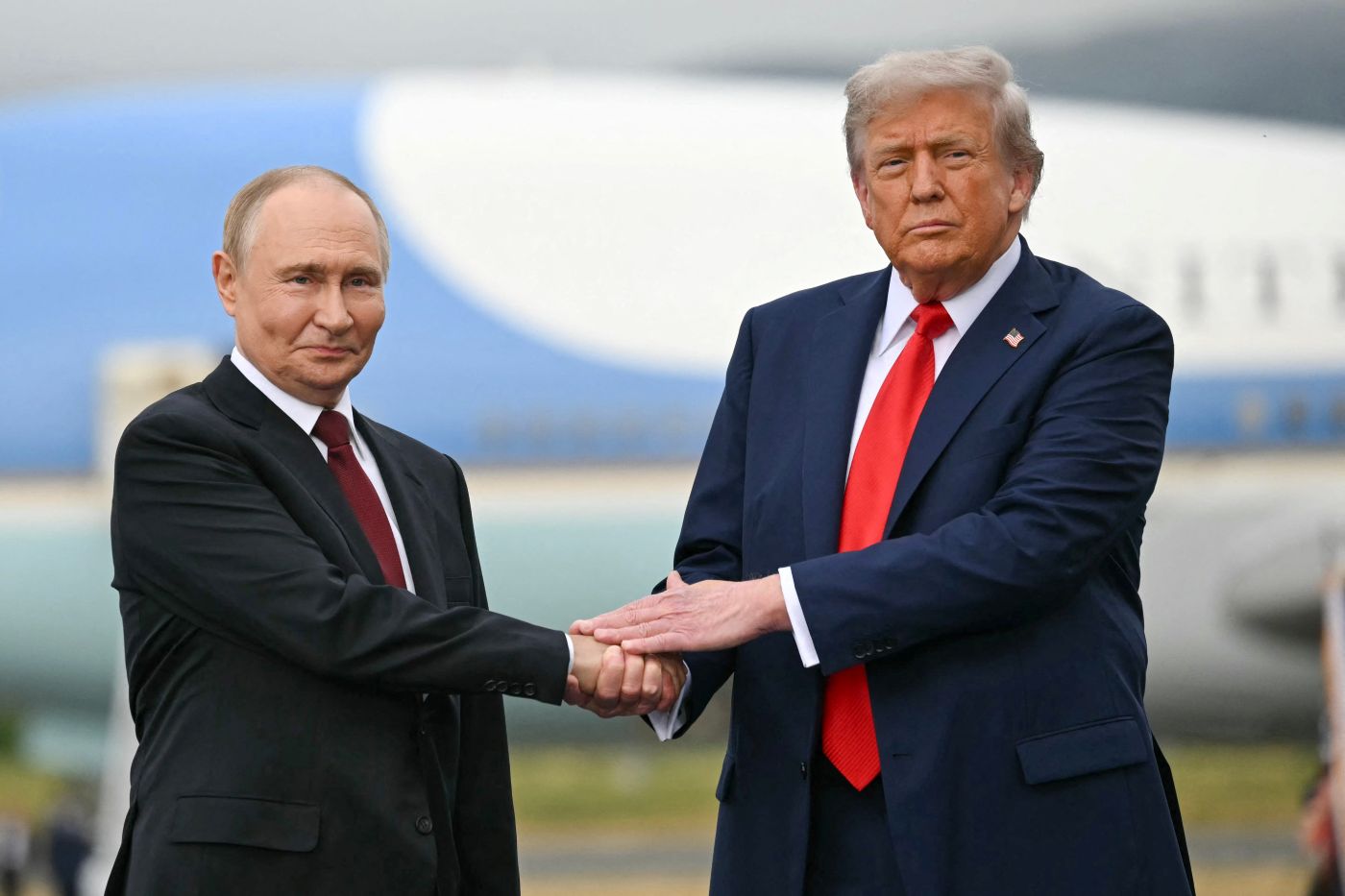
Trump and Putin
Mixed Signals From Washington and Moscow
Russia’s former president Dmitry Medvedev, who signed New START in 2010, said its expiration should “alarm everyone.” Despite this, Moscow signaled it would act “responsibly and in a balanced manner,” while also reserving the right to take “military-technical measures” to protect its security.
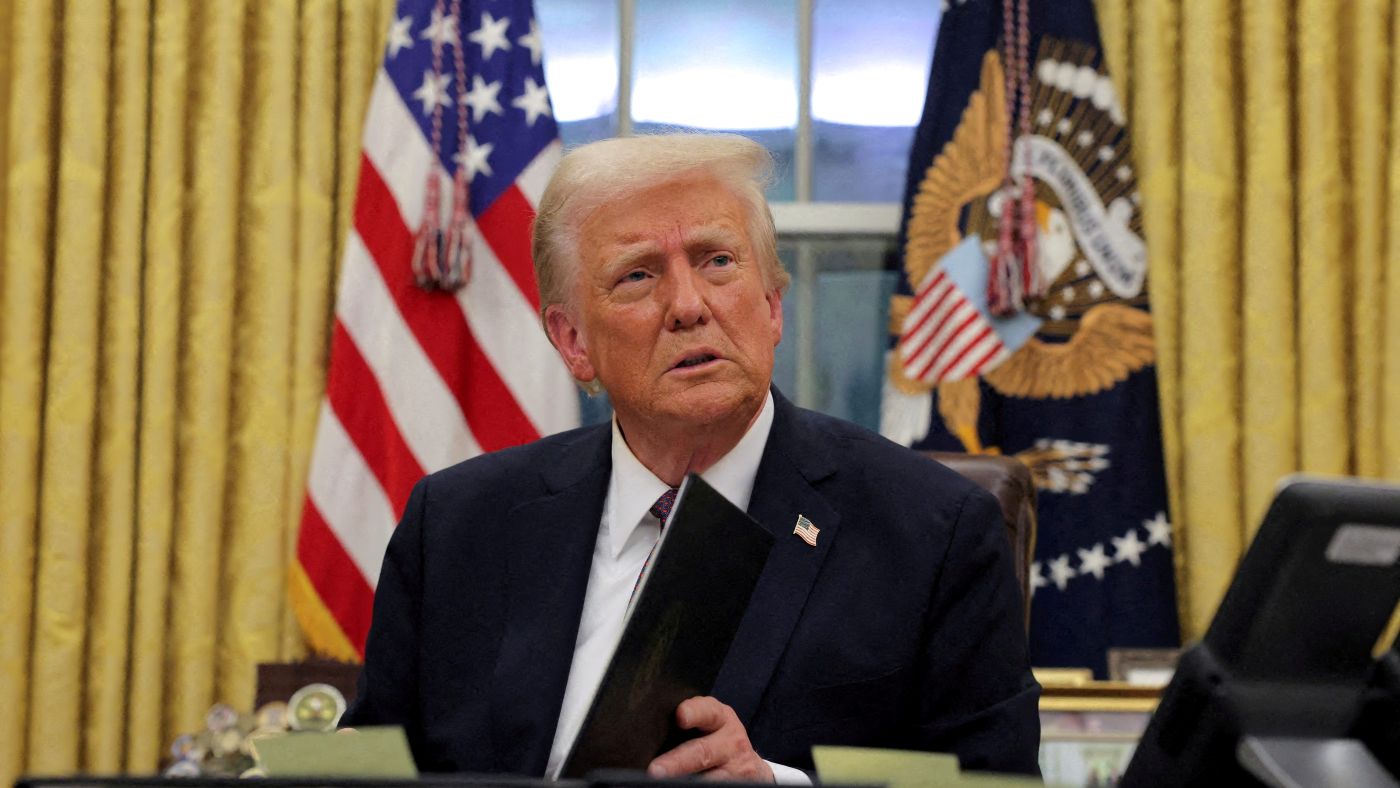
The US response has been notably less urgent. President Donald Trump has dismissed concerns, saying, “If it expires, it expires… We’ll just do a better agreement.”
Washington argues that any future treaty must include China, whose nuclear arsenal is expanding. Russia, meanwhile, insists that France and the UK, Europe’s nuclear powers, should also be included.
A New Arms Race Already Underway?
Experts warn that the lack of limits may accelerate existing nuclear modernization programs. Both the US and Russia are already upgrading their arsenals, while China is rapidly expanding its own.
Analysts point to new technologies driving competition, including:
- Hypersonic missiles capable of maneuvering at extreme speeds
- Russia’s Poseidon nuclear-powered underwater drone
- Burevestnik, a nuclear-powered cruise missile designed to evade defenses
Russia has also expressed concern over US missile defense plans, including Trump’s proposed “Golden Dome” system to protect North America.
According to nuclear policy experts, these developments make future arms control agreements far harder to negotiate, and increase the appeal of nuclear weapons as a deterrent globally.
Although a new treaty remains theoretically possible, there is little urgency on either side. The issue was discussed during a Trump, Putin meeting last year, but no progress was made.
With New START’s expiration, the world enters a period with no formal limits, no inspections, and no transparency governing the largest nuclear arsenals on Earth, a shift many fear signals a far more volatile and dangerous era.