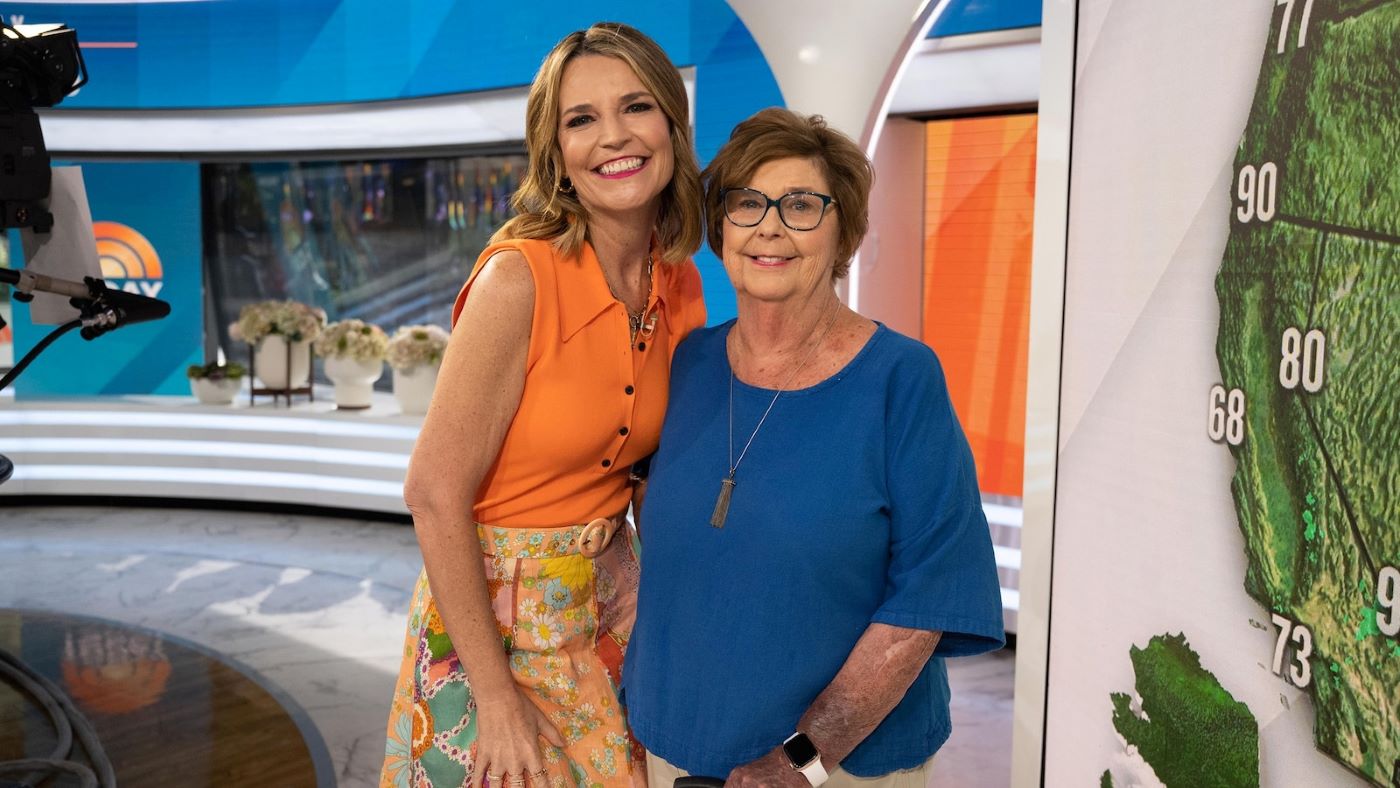
The quiet streets of the Catalina Foothills rarely make national headlines. Known for sweeping desert views, towering saguaro cacti, and pristine night skies, this affluent pocket of Tucson is usually associated with serenity, not sirens, search teams, and cable news vans.
The disappearance of 84-year-old Nancy Guthrie, mother of longtime television journalist Savannah Guthrie, has shaken the community and captivated the country.
What began as a local missing-persons case has rapidly escalated into a high-profile investigation involving suspected abduction, possible ransom demands, and an outpouring of fear and sympathy from neighbors and viewers nationwide.
For Americans watching from afar, the story feels deeply personal. Savannah Guthrie is a familiar presence in millions of living rooms. Suddenly, many are asking the same question: What if this were my mother?
Nestled beneath the dramatic peaks of the Santa Catalina Mountains, the Catalina Foothills are prized for their natural beauty and strict outdoor lighting laws designed to preserve Tucson’s reputation as a stargazer’s paradise.
Nancy Guthrie is believed to have been taken from her home around 2:30 a.m. on February 1. Investigators say there were signs of forced entry. A security camera was reportedly removed. Blood splatters found at the scene were later confirmed through DNA testing to belong to Nancy.
“This just doesn’t happen here,” she said, describing how residents who once felt completely safe are now double-checking locks and reviewing security footage. Some homeowners have hired private patrols. Others are upgrading cameras and alarm systems.
Outside the Guthrie residence, a handwritten sign reads: “Dear Guthrie Family, your neighbors stand with you.”
It’s a small gesture, but one that reflects the deep unease rippling through the community. As the investigation widened, another alarming development emerged: alleged ransom notes.
Multiple media outlets reported receiving emails demanding payment in bitcoin in exchange for Nancy Guthrie’s return. One such message called for millions of dollars’ worth of cryptocurrency, a method often favored in crimes because it’s difficult to trace.
Local broadcasters said the messages contained sensitive details about Nancy and the crime scene, prompting law enforcement to treat at least some of the communications as potentially credible.
Police have confirmed that one individual has been arrested in connection with a fake ransom note. However, authorities are still actively investigating other messages believed to be linked to the case.
Two deadlines were reportedly included in one of the emails, one has already passed, and another is approaching. At the request of law enforcement, media organizations have withheld specific details of the demands.
For families across America, the idea of ransom notes arriving in inboxes is chilling. It adds a layer of psychological cruelty to an already terrifying situation.
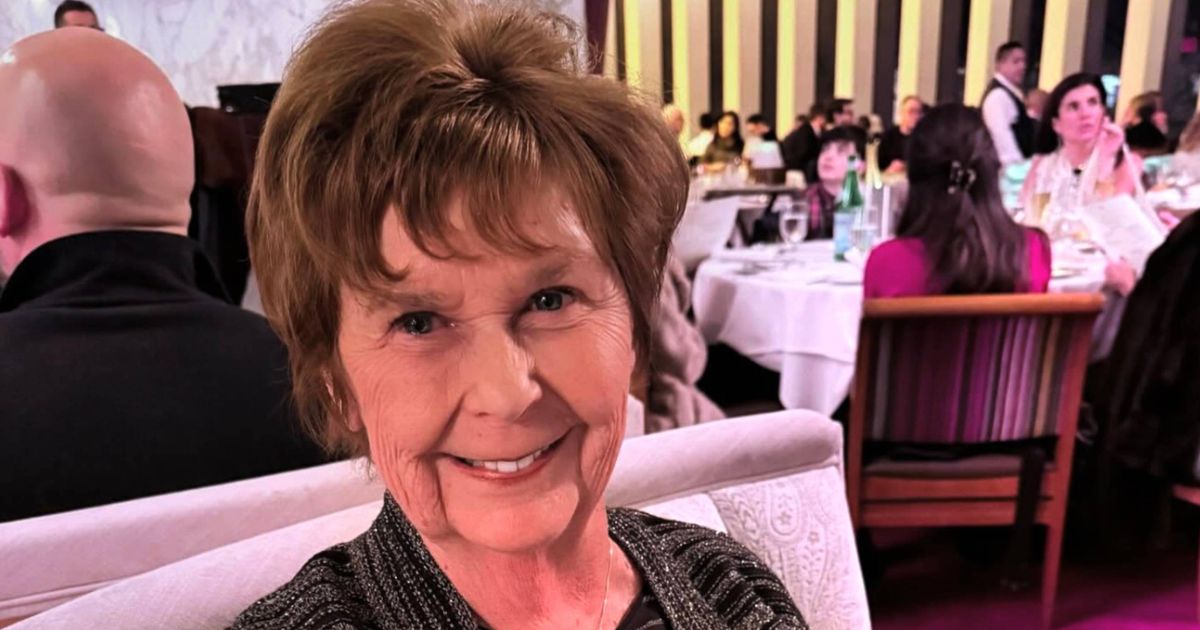
Nancy Guthrie
Residents gathered at St Philip’s in the Hills Episcopal Church for a candlelight vigil, filling the courtyard with quiet prayers and flickering flames. Clergy from nearby congregations spoke of Nancy as a beloved member of the community, kind, active, and deeply connected to those around her.
“We love Nancy, and we’re praying for Nancy,” one local pastor said. “It’s heartbreaking for the whole community.”
The vigil wasn’t just about hope for her safe return. It was also about solidarity, neighbors standing shoulder to shoulder, trying to make sense of something that feels senseless.
One question has surfaced repeatedly: did the Catalina Foothills’ lighting restrictions make Nancy more vulnerable?
The area’s laws are designed to combat light pollution, helping preserve Tucson’s world-class astronomical viewing conditions. Outdoor lights must be shielded and pointed downward, minimizing glare and sky glow.
Some outsiders have suggested that the darkness may have aided whoever took Nancy. But many residents push back.
“More light doesn’t always mean more safety,” said one neighbor. Bright lighting can create harsh contrasts and shadows, sometimes making it harder, not easier, to see.
Still, the discussion highlights a broader issue that Americans everywhere are reconsidering: how environmental design, security, and community awareness intersect to prevent crime.
First, Nancy Guthrie is not just any missing person; she’s the mother of a public figure Americans feel they know. That familiarity bridges the emotional distance that often exists with faraway tragedies.
Second, the suspected abduction of an elderly woman in a quiet, upscale neighborhood challenges assumptions about safety. It reminds people that crime doesn’t always follow predictable patterns.
And third, the alleged ransom demands tap into a growing fear around cyber-enabled crime. Cryptocurrency, anonymous emails, and digital extortion are increasingly common tools, even in cases rooted in physical violence.
For U.S. families, it raises uncomfortable questions: Are our homes secure enough? Do we know our neighbors? Would we notice if something seemed off?
With Savannah Guthrie’s national profile, the story has drawn intense media attention. Satellite trucks line nearby streets. Reporters conduct live shots just blocks from where neighbors walk their dogs and push strollers.
Some residents say the constant presence of cameras adds to the stress. Others feel grateful for the exposure, hoping it increases the chances of tips or sightings.
Law enforcement continues to ask the public for information, urging anyone who may have seen suspicious activity in the early morning hours to come forward.